The Enigmatic Marmosets: Tiny Primates with Big Personalities

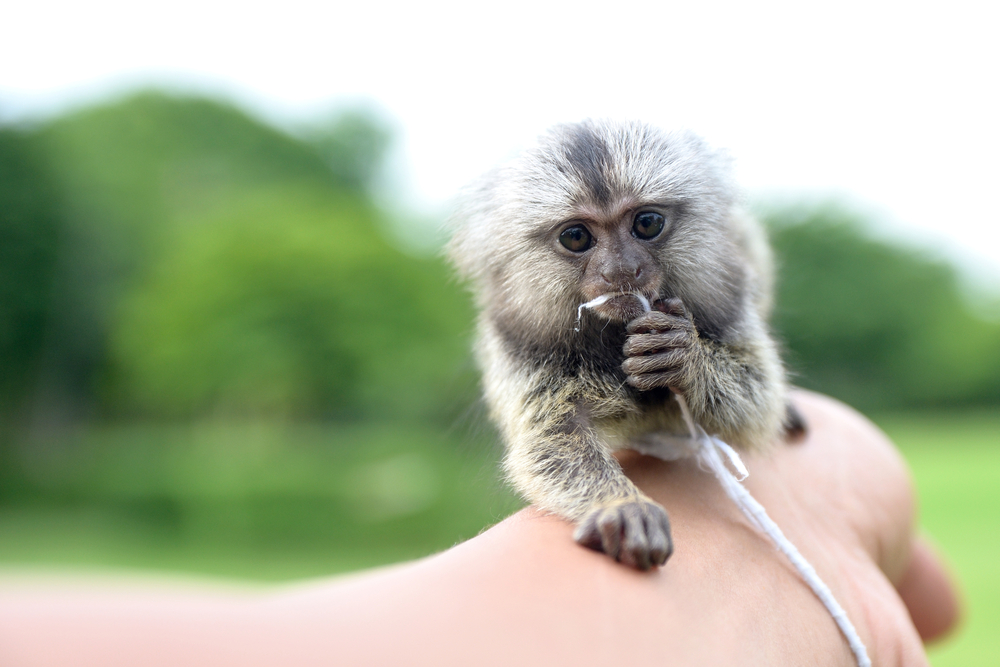
quartetoolinda.com – Marmosets, one of the smallest primates in the world, are native to the dense forests of South America. These diminutive monkeys, known for their quick movements and expressive faces, have captured the attention of researchers and wildlife lovers alike. This article explores the fascinating world of marmosets, from their unique physical traits to their complex social structures and conservation challenges.

Physical Characteristics

Marmosets are notably small, with most species weighing between 7 to 12 ounces and measuring only about 8 to 10 inches in body length, excluding their tails. Their tails are often longer than their bodies, helping them maintain balance as they leap between trees. Their fur can vary in color, often being a mix of brown, gray, and black, with striking patterns on their heads, ears, or tails. Some species, like the cotton-top marmoset, have a distinctive tuft of white hair on their heads, adding to their unique appearance.

Social Structure and Behavior

Marmosets are highly social animals, living in tight-knit family groups. These groups typically consist of parents and their offspring, with the family unit being a crucial part of marmoset society. Marmosets practice cooperative care, meaning older siblings and even other members of the group help care for the newborns. This cooperative behavior strengthens family bonds and ensures the survival of the young.

In terms of communication, marmosets are incredibly vocal. They use a range of calls, from whistles to high-pitched trills, to communicate with each other over distances. These vocalizations are essential for maintaining group cohesion in their densely vegetated habitats.

Unique Reproductive Strategies

Marmosets are known for their unusual reproductive system, where typically only the dominant female in a group will reproduce. She will give birth to twins, which is common among most marmoset species. Interestingly, all members of the family group, including males, contribute to the care of the infants, carrying them on their backs and providing food.

Habitat and Diet

Marmosets are arboreal, meaning they spend most of their lives in the treetops of tropical forests. They are well-adapted to this lifestyle, using their sharp claws and agility to navigate the dense forest canopy. Their diet consists mainly of insects, small lizards, fruits, and tree sap, which they obtain by gnawing into tree bark with their specialized incisors. This reliance on sap and gum distinguishes marmosets from other primates.

Threats and Conservation Status

The marmoset’s small size and specific habitat needs make it vulnerable to a range of threats. Habitat destruction, particularly due to deforestation in the Amazon and Atlantic rainforests, poses a significant risk to their populations. The illegal pet trade is another major issue, with marmosets being captured and sold as exotic pets. Unfortunately, these primates do not thrive in captivity and often suffer from poor health and stress.

Many species of marmosets are listed as vulnerable or endangered by conservation organizations. Efforts to protect marmosets include habitat preservation, reforestation projects, and stricter laws against the illegal wildlife trade.

The Role of Marmosets in Ecosystems

Marmosets play a vital role in their ecosystems. As they feed on fruits and insects, they contribute to seed dispersal and help control insect populations. Their unique feeding habits, such as tapping into tree sap, also create microhabitats that benefit other species of insects and birds. Protecting marmosets is not only crucial for their survival but for maintaining the health of the forests they inhabit.

Conclusion

Marmosets, with their tiny stature and complex social lives, offer a window into the rich biodiversity of South America’s forests. Their importance to the ecosystems they inhabit, combined with their endearing behavior and family-oriented lifestyle, makes them a species worth protecting. As conservation efforts continue, it is hoped that marmosets will remain a thriving part of the natural world for generations to come.

The Joy of Keeping Tiny Animals: Pocket-Sized Pets

quartetoolinda.com – In a world where space is often at a premium, the allure of pocket-sized pets has never been greater. These tiny companions offer a unique blend of charm, convenience, and companionship, making them an ideal choice for many pet lovers. From the playful antics of hamsters to the serene presence of betta fish, small pets come in a variety of forms, each with its own set of joys and responsibilities.

The Appeal of Pocket-Sized Pets

Space-Saving Companions

One of the primary appeals of keeping tiny animals is the minimal space they require. Whether you live in a bustling city apartment or a cozy rural cottage, a small pet can fit seamlessly into your life. Their compact habitats can be easily accommodated on a desk, shelf, or small table, allowing you to enjoy their company without the need for a large, dedicated space.

Low-Maintenance Joy

Small pets are generally easier to care for than their larger counterparts. They often require less food, smaller habitats, and less frequent veterinary visits. This low-maintenance nature makes them an excellent choice for busy individuals or families who may not have the time to dedicate to a high-maintenance pet.

Unique Personalities

Despite their small size, pocket-sized pets are brimming with personality. Each animal has its own quirks, habits, and preferences, making them endlessly fascinating to observe and interact with. Whether it’s a guinea pig’s gentle nature, a gerbil’s curious exploration, or a parakeet’s cheerful songs, these tiny creatures offer a wealth of joy and entertainment.

Popular Pocket-Sized Pets

Hamsters: The Nighttime Explorers

Hamsters are beloved for their playful nature and nocturnal antics. These tiny rodents are content in a well-equipped cage, filled with tunnels, wheels, and hiding spots. Their active nightlife provides endless entertainment, especially for those who enjoy staying up late.

Fish: Serene Swimmers

Fish, particularly betta fish, are a peaceful addition to any home. A simple aquarium can become a mesmerizing focal point, offering a tranquil escape from the hustle and bustle of daily life. The vibrant colors and graceful movements of fish can have a calming effect, making them ideal for stress relief.

Birds: Melodious Companions

Parakeets and canaries are among the smallest birds that make excellent pets. They are known for their beautiful songs and can be quite affectionate with their owners. A bird’s cheerful presence can brighten any room, and their ability to mimic sounds can provide hours of amusement.

Reptiles: Fascinating Scaled Friends

For those interested in something a little different, reptiles like geckos and small snakes offer a unique pet experience. These cold-blooded creatures have specific habitat requirements but can be relatively low-maintenance once their needs are met. Their fascinating behaviors and unique appearances make them intriguing companions.

Caring for Your Pocket-Sized Pet

While pocket-sized pets may require less space and maintenance, they still need proper care to thrive. It’s essential to research the specific needs of your chosen pet, including diet, habitat, and exercise requirements. Regular veterinary check-ups are also crucial to ensure your pet’s health and happiness.

Diet and Nutrition

A balanced diet is key to keeping your small pet healthy. Whether it’s high-quality pellets for hamsters, fresh vegetables for guinea pigs, or live food for reptiles, understanding your pet’s dietary needs is fundamental.

Habitat and Environment

Creating a suitable habitat is essential for the well-being of your pet. This includes providing a clean, safe space with the right temperature, humidity, and enrichment. Regular cleaning and maintenance of the habitat will help prevent health issues and keep your pet comfortable.

Exercise and Stimulation

Small pets need regular exercise and mental stimulation to stay healthy and happy. This can be achieved through playtime, interactive toys, and, in some cases, supervised time outside their habitat. Engaging with your pet not only strengthens your bond but also keeps them mentally and physically stimulated.

Conclusion

Pocket-sized pets offer a world of joy in a compact package. Their small size, unique personalities, and relatively low-maintenance needs make them an appealing choice for many. Whether you’re a seasoned pet owner or considering your first pet, the tiny animal kingdom has something to offer everyone. With proper care and attention, these little companions can bring endless happiness and companionship to your life.