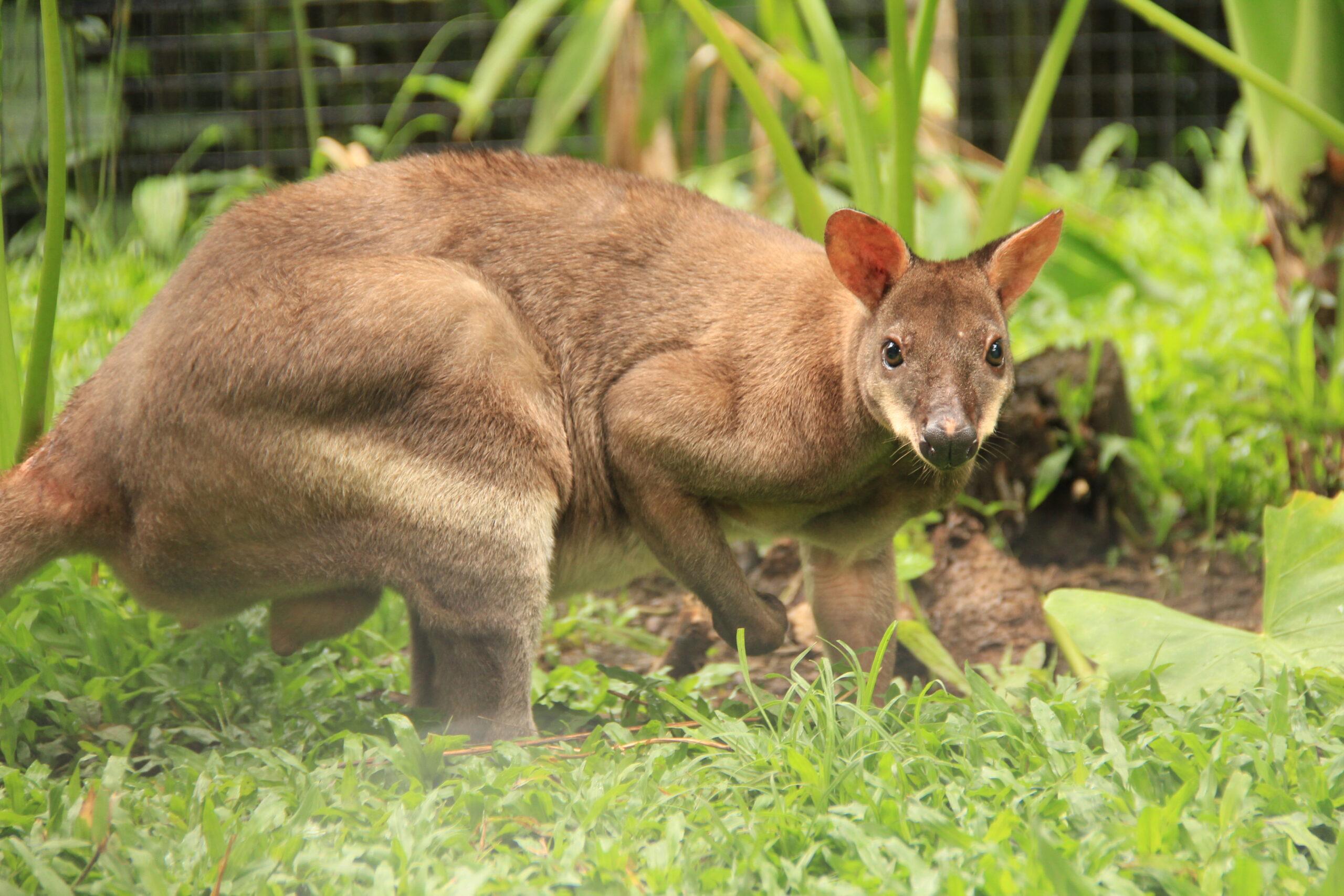
Wallabies: Small Kangaroo Relatives with Big Personalities

quartetoolinda.com – Wallabies, the charming marsupials of Australia, often steal the spotlight with their adorable appearance and playful behavior. Closely related to kangaroos, these smaller relatives have their own unique characteristics and play an important role in the ecosystems they inhabit. In this article, we will dive into the fascinating world of wallabies, examining their species, habitats, behaviors, and conservation efforts.

Wallaby Species and Distribution

Wallabies belong to the same family as kangaroos, Macropodidae, which means “big foot” in Greek, and they are distributed across a variety of regions in Australia and nearby islands. There are over 30 species of wallabies, and they can be found in diverse habitats, from the dense forests of the east to the rocky outcrops and coastal regions.

Some of the most well-known wallaby species include the Red-necked Wallaby (Macropus rufogriseus), the Agile Wallaby (Macropus agilis), and the Rock Wallaby (Petrogale species). Each species has adapted to its environment, with different sizes, colors, and behaviors suited to particular landscapes.

Key Differences Between Wallabies and Kangaroos

While kangaroos and wallabies share a family and many characteristics, wallabies are generally smaller and more compact in size. Adult wallabies usually stand at around 1 meter (3.3 feet) tall, while kangaroos can reach heights of over 2 meters (6.6 feet). Wallabies also tend to have shorter legs and more rounded bodies compared to their larger cousins, making them appear stockier.

Another distinguishing feature of wallabies is their habitat preferences. While kangaroos are more likely to be found in open, grassy plains or deserts, wallabies often inhabit more forested or rocky regions. They are well-adapted to climbing and navigating rough terrain, particularly species like the Rock Wallaby, which uses its powerful hind legs to leap between rocky outcrops.

Wallaby Behavior and Social Structure

Like kangaroos, wallabies are herbivores and primarily feed on grasses, leaves, and shrubs. They are most active during dawn and dusk, when the temperatures are cooler, and they tend to graze in the early morning or late evening hours. Wallabies are solitary or form small groups, often consisting of females and their offspring. Males can sometimes be seen alone or in temporary groups, particularly during mating season.

Wallabies are known for their playful and curious nature. They are often observed hopping around, interacting with their environment, and engaging in social behaviors. Their hopping, which is similar to that of kangaroos, is a highly efficient way to cover long distances in search of food while avoiding predators.

Reproduction and Lifespan

Wallabies have similar reproductive strategies to kangaroos, with females giving birth to a single joey at a time. After a short gestation period, the tiny, underdeveloped joey crawls into the mother’s pouch, where it will continue to develop for several months before emerging.

Wallabies are known for their ability to delay reproduction if environmental conditions are unfavorable. This ability to pause the development of an embryo until conditions improve ensures the survival of the species, particularly in regions where food and water can be scarce.

In the wild, wallabies typically live for around 6 to 10 years, although they face many threats from natural predators and human activity. Their populations can fluctuate depending on environmental conditions and food availability.

Conservation and Threats

While many wallaby species are not endangered, some populations are facing significant threats due to habitat destruction, climate change, and predation by introduced species such as foxes and feral cats. The decline of forest habitats due to logging and urban development has also contributed to the fragmentation of wallaby populations, making it difficult for them to find food and shelter.

Conservation efforts are underway to protect wallabies and their habitats. National parks, wildlife reserves, and conservation programs are working to preserve these unique creatures and their environments. Some species, such as the Eastern Rock Wallaby, have been part of intensive conservation programs, including breeding programs and habitat restoration initiatives.

Wallabies in Captivity and Ecotourism

Due to their small size and relatively docile nature, wallabies are often seen in wildlife parks, zoos, and ecotourism destinations. These creatures have become a significant part of Australia’s eco-tourism industry, with many visitors traveling to see wallabies in their natural habitats.

In the wild, wallabies are an essential part of the ecosystem, contributing to seed dispersal and helping to maintain healthy plant populations. Their presence in conservation efforts helps educate the public about the importance of protecting Australia’s unique wildlife.

Conclusion

Wallabies are a delightful and essential part of Australia’s natural heritage. While they may be smaller and less well-known than their kangaroo relatives, their unique characteristics and behaviors make them a fascinating subject of study. As conservation efforts continue to protect their habitats and ensure their survival, wallabies will remain a symbol of the diverse and resilient wildlife of Australia.
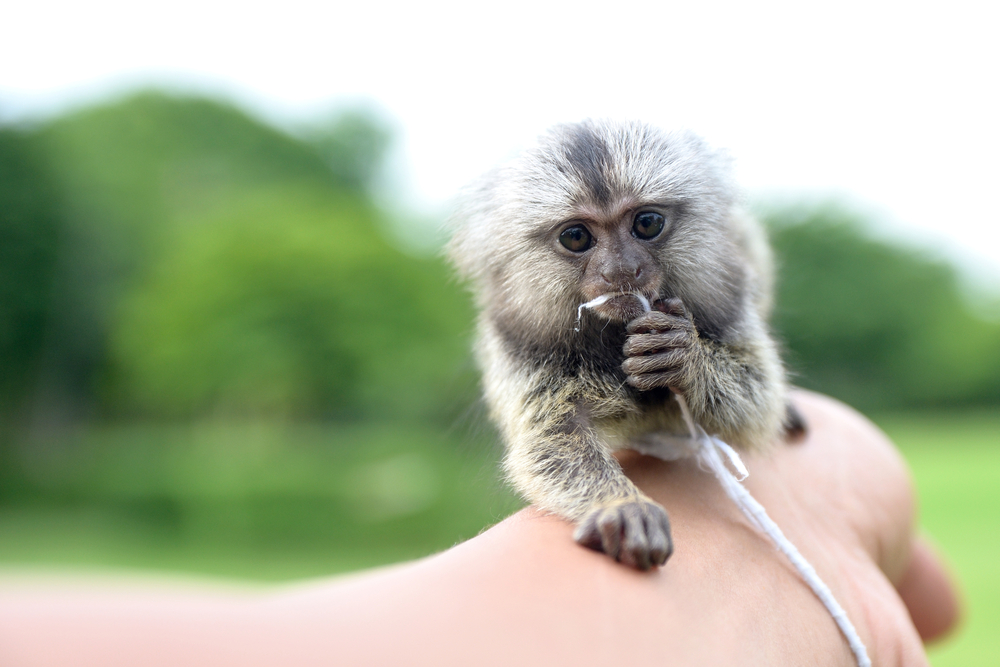
The Enigmatic Marmosets: Tiny Primates with Big Personalities

quartetoolinda.com – Marmosets, one of the smallest primates in the world, are native to the dense forests of South America. These diminutive monkeys, known for their quick movements and expressive faces, have captured the attention of researchers and wildlife lovers alike. This article explores the fascinating world of marmosets, from their unique physical traits to their complex social structures and conservation challenges.

Physical Characteristics

Marmosets are notably small, with most species weighing between 7 to 12 ounces and measuring only about 8 to 10 inches in body length, excluding their tails. Their tails are often longer than their bodies, helping them maintain balance as they leap between trees. Their fur can vary in color, often being a mix of brown, gray, and black, with striking patterns on their heads, ears, or tails. Some species, like the cotton-top marmoset, have a distinctive tuft of white hair on their heads, adding to their unique appearance.

Social Structure and Behavior

Marmosets are highly social animals, living in tight-knit family groups. These groups typically consist of parents and their offspring, with the family unit being a crucial part of marmoset society. Marmosets practice cooperative care, meaning older siblings and even other members of the group help care for the newborns. This cooperative behavior strengthens family bonds and ensures the survival of the young.

In terms of communication, marmosets are incredibly vocal. They use a range of calls, from whistles to high-pitched trills, to communicate with each other over distances. These vocalizations are essential for maintaining group cohesion in their densely vegetated habitats.

Unique Reproductive Strategies

Marmosets are known for their unusual reproductive system, where typically only the dominant female in a group will reproduce. She will give birth to twins, which is common among most marmoset species. Interestingly, all members of the family group, including males, contribute to the care of the infants, carrying them on their backs and providing food.

Habitat and Diet

Marmosets are arboreal, meaning they spend most of their lives in the treetops of tropical forests. They are well-adapted to this lifestyle, using their sharp claws and agility to navigate the dense forest canopy. Their diet consists mainly of insects, small lizards, fruits, and tree sap, which they obtain by gnawing into tree bark with their specialized incisors. This reliance on sap and gum distinguishes marmosets from other primates.

Threats and Conservation Status

The marmoset’s small size and specific habitat needs make it vulnerable to a range of threats. Habitat destruction, particularly due to deforestation in the Amazon and Atlantic rainforests, poses a significant risk to their populations. The illegal pet trade is another major issue, with marmosets being captured and sold as exotic pets. Unfortunately, these primates do not thrive in captivity and often suffer from poor health and stress.

Many species of marmosets are listed as vulnerable or endangered by conservation organizations. Efforts to protect marmosets include habitat preservation, reforestation projects, and stricter laws against the illegal wildlife trade.

The Role of Marmosets in Ecosystems

Marmosets play a vital role in their ecosystems. As they feed on fruits and insects, they contribute to seed dispersal and help control insect populations. Their unique feeding habits, such as tapping into tree sap, also create microhabitats that benefit other species of insects and birds. Protecting marmosets is not only crucial for their survival but for maintaining the health of the forests they inhabit.

Conclusion

Marmosets, with their tiny stature and complex social lives, offer a window into the rich biodiversity of South America’s forests. Their importance to the ecosystems they inhabit, combined with their endearing behavior and family-oriented lifestyle, makes them a species worth protecting. As conservation efforts continue, it is hoped that marmosets will remain a thriving part of the natural world for generations to come.

Finches: Small Birds with Big Personalities & Diverse Beaks

quartetoolinda.com – Finches are a diverse group of small passerine birds belonging to the family Fringillidae. They are found worldwide, inhabiting a variety of habitats from forests and grasslands to deserts and urban areas. Known for their vibrant colors, melodious songs, and specialized beaks adapted for seed eating, finches are popular among birdwatchers and pet owners alike.   

Physical Characteristics: Variations on a Theme

While finches exhibit a wide range of appearances, they share some common physical characteristics:

  • Small Size: Most finches are small birds, typically measuring between 10 and 15 centimeters (4-6 inches) in length.   
  • Conical Beaks: Their most distinctive feature is their conical beak, which is adapted for cracking and husking seeds. The size and shape of the beak can vary significantly between species, reflecting their specific dietary preferences.   
  • Sturdy Bodies: They have compact, sturdy bodies.   
  • Relatively Short Wings: Their wings are relatively short and rounded, allowing for agile flight within their habitat.   
  • Varied Plumage: Finch plumage can range from drab browns and grays to vibrant yellows, reds, oranges, and blues. Males often have brighter plumage than females, especially during breeding season.

Classification and Diversity: A Global Family

The family Fringillidae is a large and diverse group, containing numerous genera and species. Some well-known examples include:   

  • True Finches ( Fringilla ): Includes the common chaffinch and brambling.   
  • Goldfinches ( Carduelis ): Known for their striking yellow and black markings.
  • House Finches ( Haemorhous ): Native to North America, now widespread globally.   
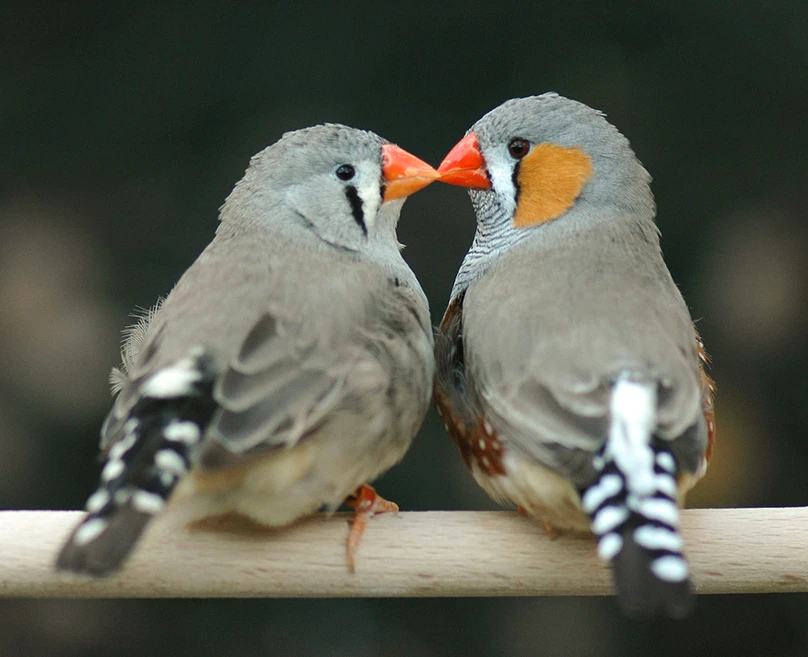
  • Zebra Finches ( Taeniopygia guttata ): Popular as pets and in scientific research.   
  • Darwin’s Finches (Geospizinae): A group of closely related finches on the Galapagos Islands that played a crucial role in Darwin’s theory of evolution.   

Habitats and Distribution: Adapting to a Variety of Environments

Finches are found on nearly all continents, except Antarctica, inhabiting a wide range of habitats:

  • Woodlands and Forests: Many species inhabit forests and woodlands, foraging for seeds and insects in the undergrowth and canopy.   
  • Grasslands and Meadows: Open grasslands and meadows provide ample seed sources for many finch species.
  • Deserts and Arid Regions: Some species are adapted to harsh desert environments, where they find seeds and insects in sparse vegetation.   
  • Urban and Suburban Areas: Some adaptable species, such as house finches, have thrived in urban and suburban environments, utilizing bird feeders and urban green spaces.   

Diet and Foraging: Primarily Seed Eaters

The primary diet of most finches consists of seeds. However, they may also consume:

  • Insects: Especially during breeding season, when they need extra protein for raising their young.   
  • Fruits and Berries: Some species may also consume fruits and berries when available.   
  • Nectar: A few species have even adapted to feed on nectar.   

Their conical beaks are perfectly adapted for cracking and husking seeds. Different beak shapes and sizes correspond to different seed types.   

Behavior: Social Birds with Melodious Songs

Finches are generally social birds, often forming flocks, especially during non-breeding season.   

  • Song: Male finches are known for their melodious songs, which they use to attract females and establish territories.   
  • Social Interactions: They communicate with each other through a variety of calls and displays.
  • Nesting: They build cup-shaped nests in trees, bushes, or other sheltered locations.   

Reproduction: Dedicated Parents

Finches are dedicated parents, with both parents typically participating in nest building, incubation, and chick rearing.   

  • Nesting: They build nests from various materials such as grass, twigs, and feathers.   
  • Eggs: They lay several small eggs, which are incubated by the female.
  • Chick Rearing: Both parents feed the chicks regurgitated seeds and insects.

Defense Mechanisms: Small Size and Alertness

Finches rely on several defense mechanisms to avoid predation:

  • Small Size and Agility: Their small size and agility allow them to quickly escape predators.
  • Flocking Behavior: Flocking provides increased vigilance and protection.   
  • Camouflage: Their plumage can provide camouflage in their natural environment.

Ecological Importance: Roles in Ecosystems

Finches play several important roles in ecosystems:

  • Seed Dispersal: They help disperse seeds through their droppings.   
  • Seed Predation: They help control seed populations.   
  • Food Source: They serve as a food source for larger predators.

Conservation Status: Varying Levels of Concern

While some finch species are thriving, others face threats such as:

  • Habitat Loss and Degradation: Deforestation, urbanization, and agriculture destroy their habitats.
  • Introduced Species: Introduced predators and competitors can impact native finch populations.   
  • Climate Change: Changes in temperature and precipitation patterns can affect their food sources and breeding cycles.   

Conclusion: A Symphony of Small Birds

Finches are a diverse and fascinating group of birds, showcasing remarkable adaptations to a variety of environments. Their vibrant colors, melodious songs, and specialized beaks make them a captivating part of the world’s avifauna. Understanding their ecological roles and addressing the threats they face is crucial for their conservation and the preservation of biodiversity.