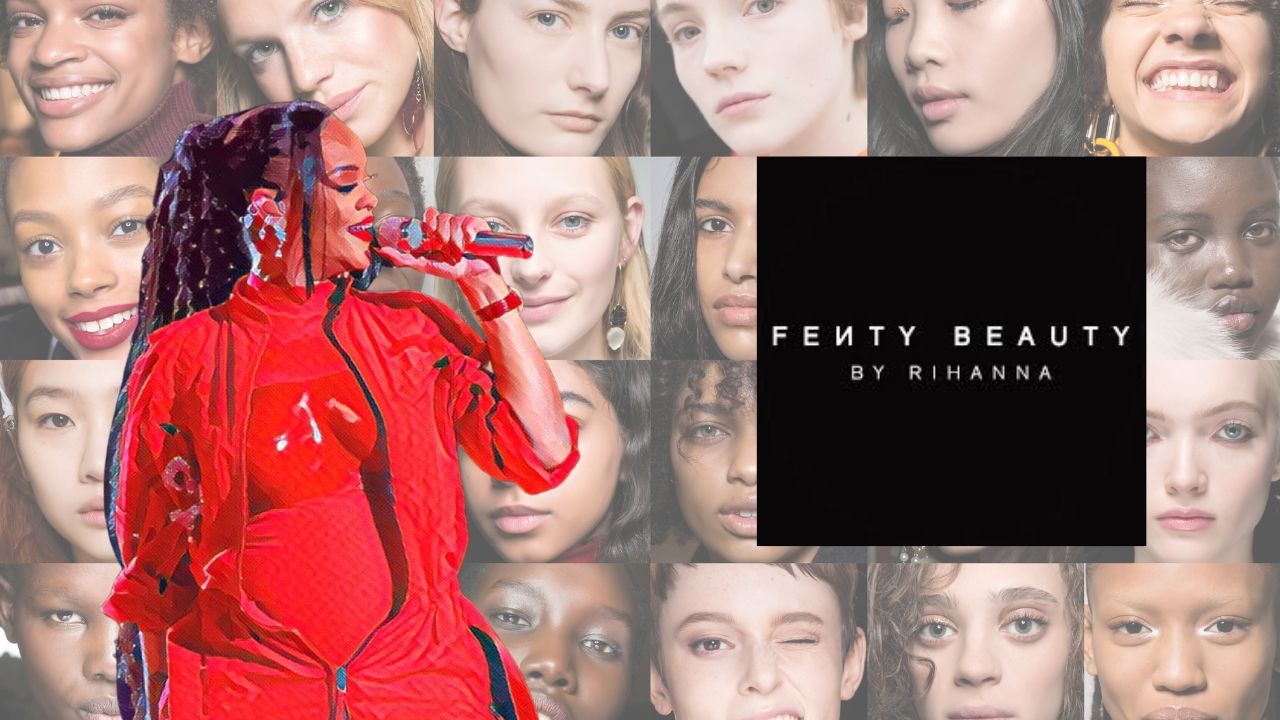
Fenty Beauty: Revolutionizing Inclusivity in the Beauty Industry

quartetoolinda.com – Fenty Beauty, founded by global music icon and entrepreneur Rihanna, has become a game-changer in the beauty industry since its launch in 2017. Known for its inclusive approach to makeup, Fenty Beauty has garnered widespread acclaim for offering a wide range of products designed for all skin tones and types. The brand has set new standards in the industry, making diversity and representation a top priority.

The Birth of Fenty Beauty

Rihanna, a beauty enthusiast herself, created Fenty Beauty with a mission to ensure that everyone, regardless of skin color, could find their perfect shade. Having struggled to find makeup products that matched her own skin tone, Rihanna saw a gap in the market and sought to fill it. Teaming up with Kendo Brands, she launched Fenty Beauty with 40 foundation shades, a groundbreaking move that instantly captured the attention of beauty lovers worldwide.

Fenty Beauty’s tagline, “Beauty for All,” resonated deeply with consumers, especially those who had long been overlooked by mainstream beauty brands. The initial launch included not just foundation, but also a range of highlighters, concealers, and lip glosses that catered to diverse beauty needs.

Iconic Products and Unmatched Inclusivity

One of Fenty Beauty’s most iconic products is the Pro Filt’r Soft Matte Longwear Foundation, which quickly became a bestseller. Its wide shade range and long-lasting formula made it a favorite among makeup artists and beauty influencers. Following the success of the foundation, Fenty Beauty expanded its shade range to 50, further cementing its commitment to inclusivity.

The brand’s Killawatt Freestyle Highlighter duo also gained a cult following for its luminous, buildable glow, available in shades that complement a variety of skin tones. Another popular product is the Gloss Bomb Universal Lip Luminizer, known for its universally flattering nude-pink shade and high-shine finish.

By consistently offering products that work for all skin types and tones, Fenty Beauty redefined industry standards and pushed other brands to follow suit, encouraging them to expand their own shade ranges.

Pushing the Boundaries of Beauty

Beyond inclusivity, Fenty Beauty stands out for its trendsetting product launches and innovative formulas. From vibrant eyeshadows to bold lipsticks, the brand encourages consumers to embrace their individuality and experiment with different looks. Rihanna’s influence as a style icon plays a significant role in Fenty Beauty’s approach, blending bold fashion statements with everyday wearability.

Fenty Beauty’s marketing campaigns also reflect the brand’s commitment to diversity, featuring models of all ethnicities, genders, and backgrounds. This authentic representation has resonated with consumers, making Fenty Beauty more than just a makeup brand—it’s a movement.

The Future of Fenty Beauty

As Fenty Beauty continues to grow, the brand remains a leader in the beauty industry, challenging outdated standards and setting new ones. With an unwavering focus on inclusivity, product innovation, and representation, Fenty Beauty is shaping the future of beauty, ensuring that everyone feels seen, celebrated, and empowered to express themselves.

Rihanna’s vision for Fenty Beauty transcends the idea of makeup as just a tool for enhancement—it’s a platform for self-expression, individuality, and breaking barriers. As the brand expands into new product lines and global markets, Fenty Beauty’s influence is set to remain strong for years to come.

The Energy Drink Revolution: Red Bull

quartetoolinda.com – In the world of beverages, few products have managed to create the kind of impact that Red Bull has. Since its launch in the mid-1980s, Red Bull has not only become synonymous with energy drinks but has also revolutionized the industry. This article delves into the history, ingredients, marketing strategies, and the cultural impact of Red Bull, exploring how it has managed to maintain its position as a market leader in the energy drink sector.

The Birth of an Icon

The story of Red Bull begins in Thailand, where Chaleo Yoovidhya created an energy drink called Krating Daeng in 1976. The drink was popular among manual laborers for its ability to provide a boost in energy. It wasn’t until Austrian entrepreneur Dietrich Mateschitz discovered Krating Daeng during a business trip that the idea of Red Bull was born. Mateschitz saw the potential of the drink in the global market and partnered with Yoovidhya to create Red Bull GmbH in 1984. The first can of Red Bull hit the market in 1987, and the rest, as they say, is history.

The Secret Ingredient: Taurine and Beyond

One of the key factors behind Red Bull’s success is its unique blend of ingredients. The drink contains caffeine, sugar, B-group vitamins, amino acids, and most notably, taurine. While the exact effects of taurine are still a subject of debate among scientists, it is believed to play a role in cardiovascular health and athletic performance. The combination of these ingredients is what gives Red Bull its energy-boosting properties, setting it apart from other beverages.

Marketing Magic

Red Bull’s marketing strategy is as innovative as its product. The brand has always focused on creating a lifestyle around the drink, associating it with extreme sports, music, and adventure. Red Bull’s sponsorship of events such as the Red Bull Air Race, Red Bull Cliff Diving World Series, and the Red Bull Music Academy has not only promoted the brand but also created a community of enthusiasts. The brand’s slogan, “Red Bull gives you wings,” has become one of the most recognizable taglines in the world, encapsulating the drink’s promise of increased energy and performance.

Cultural Impact

Beyond its marketing efforts, Red Bull has had a significant impact on popular culture. The drink has become a symbol of staying awake, alert, and active, making it a staple in the diets of students, professionals, and athletes alike. Red Bull’s influence extends to the arts and entertainment, with the brand supporting emerging artists and musicians. The Red Bull Media House, for example, produces documentaries, films, and digital content, further cementing the brand’s role as a cultural influencer.

Challenges and Criticism

Despite its success, Red Bull has faced its share of challenges and criticism. Concerns about the health effects of energy drinks, particularly their high caffeine and sugar content, have led to calls for regulation in various countries. Red Bull has also been involved in legal battles over its advertising claims, with some critics arguing that the “wings” slogan is misleading. Despite these challenges, Red Bull has managed to maintain its market dominance, adapting its strategies and expanding its product line to meet changing consumer demands.

Conclusion

Red Bull’s journey from a Thai energy drink to a global phenomenon is a testament to the power of innovation, marketing, and branding. By creating a product that taps into the universal desire for energy and performance, Red Bull has not only revolutionized the beverage industry but has also left a lasting impact on popular culture. As the energy drink market continues to evolve, Red Bull remains at the forefront, setting trends and pushing the boundaries of what an energy drink can be.

Microsoft’s Indelible Impact on the Digital Age

quartetoolinda.com – The digital age, characterized by the widespread use of computers and the internet, has transformed the way we live, work, and communicate. At the heart of this transformation is Microsoft, a company that has not only kept pace with the rapid changes in technology but has also been a driving force behind many of them. Founded by Bill Gates and Paul Allen in 1975, Microsoft has grown from a small startup to a global technology leader, leaving an indelible mark on the digital landscape.

The Birth of Personal Computing:
Microsoft’s impact on the digital age can be traced back to the early days of personal computing. The company’s development of the MS-DOS operating system in the 1980s made computers more accessible to the average person. This was a pivotal moment in the digital age, as it allowed for the mass adoption of personal computers in homes and businesses.

The Windows Revolution:
The introduction of Microsoft Windows in 1985 revolutionized the way users interacted with computers. The graphical user interface (GUI) made computing more intuitive and user-friendly, further propelling the digital age forward. With each iteration of Windows, Microsoft introduced new features and technologies that set the standard for personal computing.

Office Automation and Productivity:
Microsoft’s Office suite of applications, including Word, Excel, and PowerPoint, became the de facto standard for office productivity software. This suite not only transformed how businesses operated but also how students and individuals managed their documents and data. The cloud-based version, Office 365, has continued to evolve with the digital age, offering subscription-based models that provide users with access to their documents and applications from anywhere in the world.

The Internet and Beyond:
Microsoft’s influence extended to the internet with the introduction of the Internet Explorer web browser, which played a significant role in popularizing the internet during the 1990s. The company’s efforts in web development and online services have continued with platforms like Microsoft Azure, which provides cloud services for building, deploying, and managing applications through Microsoft-managed data centers.

Gaming and Entertainment:
Microsoft’s entry into the gaming industry with the Xbox console has had a profound impact on digital entertainment. The Xbox Live service was one of the first to offer online gaming communities, and the Xbox has since become a key player in the gaming market, influencing the way games are developed, distributed, and played.

Corporate Social Responsibility:
Microsoft has also made significant contributions to the digital age through its corporate social responsibility initiatives. The company has worked on projects aimed at bridging the digital divide, providing access to technology for underserved communities, and promoting digital literacy. Microsoft’s philanthropic efforts have helped ensure that the benefits of the digital age are more widely shared.

Conclusion:
Microsoft’s impact on the digital age is multifaceted and profound. From the democratization of personal computing to the development of productivity tools, gaming platforms, and cloud services, Microsoft has been at the forefront of technological innovation. As the digital age continues to evolve, Microsoft’s legacy will undoubtedly continue to shape the future of technology, ensuring that it remains accessible, user-friendly, and beneficial to society as a whole.