Microsoft’s Indelible Impact on the Digital Age

quartetoolinda.com – The digital age, characterized by the widespread use of computers and the internet, has transformed the way we live, work, and communicate. At the heart of this transformation is Microsoft, a company that has not only kept pace with the rapid changes in technology but has also been a driving force behind many of them. Founded by Bill Gates and Paul Allen in 1975, Microsoft has grown from a small startup to a global technology leader, leaving an indelible mark on the digital landscape.

The Birth of Personal Computing:
Microsoft’s impact on the digital age can be traced back to the early days of personal computing. The company’s development of the MS-DOS operating system in the 1980s made computers more accessible to the average person. This was a pivotal moment in the digital age, as it allowed for the mass adoption of personal computers in homes and businesses.

The Windows Revolution:
The introduction of Microsoft Windows in 1985 revolutionized the way users interacted with computers. The graphical user interface (GUI) made computing more intuitive and user-friendly, further propelling the digital age forward. With each iteration of Windows, Microsoft introduced new features and technologies that set the standard for personal computing.

Office Automation and Productivity:
Microsoft’s Office suite of applications, including Word, Excel, and PowerPoint, became the de facto standard for office productivity software. This suite not only transformed how businesses operated but also how students and individuals managed their documents and data. The cloud-based version, Office 365, has continued to evolve with the digital age, offering subscription-based models that provide users with access to their documents and applications from anywhere in the world.

The Internet and Beyond:
Microsoft’s influence extended to the internet with the introduction of the Internet Explorer web browser, which played a significant role in popularizing the internet during the 1990s. The company’s efforts in web development and online services have continued with platforms like Microsoft Azure, which provides cloud services for building, deploying, and managing applications through Microsoft-managed data centers.

Gaming and Entertainment:
Microsoft’s entry into the gaming industry with the Xbox console has had a profound impact on digital entertainment. The Xbox Live service was one of the first to offer online gaming communities, and the Xbox has since become a key player in the gaming market, influencing the way games are developed, distributed, and played.

Corporate Social Responsibility:
Microsoft has also made significant contributions to the digital age through its corporate social responsibility initiatives. The company has worked on projects aimed at bridging the digital divide, providing access to technology for underserved communities, and promoting digital literacy. Microsoft’s philanthropic efforts have helped ensure that the benefits of the digital age are more widely shared.

Conclusion:
Microsoft’s impact on the digital age is multifaceted and profound. From the democratization of personal computing to the development of productivity tools, gaming platforms, and cloud services, Microsoft has been at the forefront of technological innovation. As the digital age continues to evolve, Microsoft’s legacy will undoubtedly continue to shape the future of technology, ensuring that it remains accessible, user-friendly, and beneficial to society as a whole.
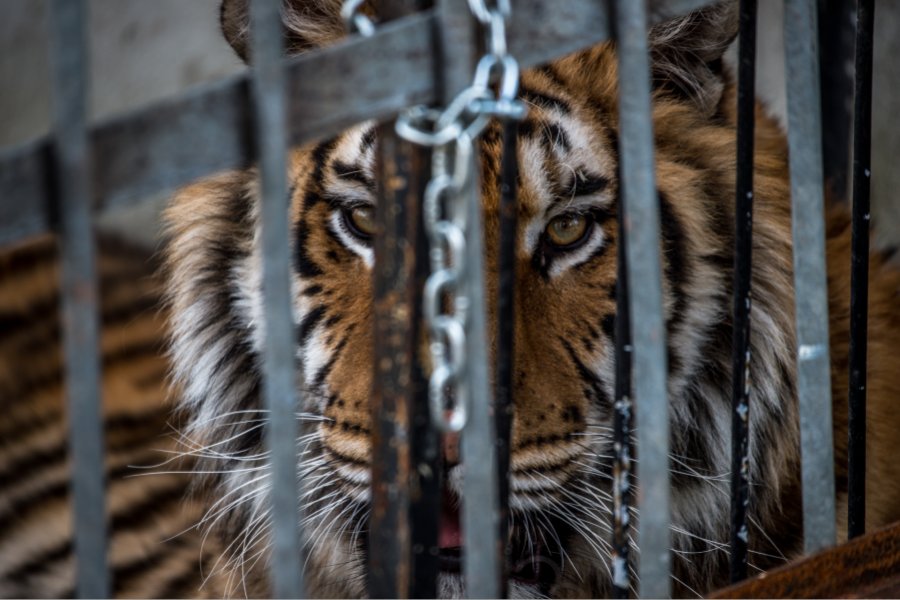
Impact of Zoos on Global Wildlife Conservation Efforts

Zoos have long been a subject of debate in the context of wildlife conservation. While some argue that they are essential for the preservation of endangered species, others contend that they are outdated and do not contribute positively to the conservation of wildlife. This article aims to explore the multifaceted impact of zoos on global wildlife conservation efforts, examining both their contributions and the challenges they face.

The Role of Zoos in Conservation:
Zoos play a significant role in wildlife conservation through various initiatives. They serve as ex situ conservation facilities, providing a safe haven for endangered species that are at risk of extinction in the wild. By breeding these species in controlled environments, zoos help to maintain genetic diversity and population numbers, which is crucial for the survival of the species.

Education and Awareness:
One of the most significant contributions of zoos to conservation is their role in education. By providing a platform for people to see and learn about animals up close, zoos foster a connection between humans and wildlife. This connection is vital for raising awareness about the threats facing wildlife and the importance of conservation efforts. Zoos often have educational programs and resources that inform visitors about the ecological importance of different species, the challenges they face in the wild, and how individuals can contribute to conservation.

Research and Science:
Zoos are also important centers for scientific research. They offer opportunities for studying animal behavior, physiology, and reproductive biology in controlled settings. This research can provide valuable insights into the conservation needs of species and inform management strategies in both captive and wild populations. Additionally, zoos often collaborate with field conservation projects, providing expertise and resources to support in situ conservation efforts.

Reintroduction Programs:
Many zoos are involved in reintroduction programs, where captive-bred animals are released back into the wild to bolster or re-establish populations. Successful reintroductions can help to restore ecological balance and contribute to the recovery of threatened species. For example, the California Condor recovery program, which involved zoos in breeding and rearing the birds before releasing them into the wild, has been a notable success in conservation history.

Challenges and Criticisms:
Despite their contributions, zoos face criticism for their role in conservation. Ethical concerns are often raised about the confinement of wild animals and the potential for poor welfare standards in some facilities. There is also a debate about whether zoos are effective in promoting conservation or if they simply serve as entertainment venues that do not significantly impact the conservation status of species.

To address these challenges, many modern zoos have shifted their focus towards conservation and education, improving animal welfare standards and increasing their involvement in field conservation projects. Accreditation bodies such as the Association of Zoos and Aquariums (AZA) and the European Association of Zoos and Aquaria (EAZA) set high standards for animal care, conservation, and education, helping to ensure that zoos are contributing positively to wildlife conservation.

Conclusion:
The impact of zoos on wildlife conservation is complex and multifaceted. While they have the potential to make significant contributions through breeding programs, education, research, and reintroduction efforts, they must also address ethical concerns and ensure that their practices align with conservation goals. As zoos continue to evolve, their role in global conservation efforts will remain an important, if sometimes controversial, component of the broader strategy to protect and preserve wildlife for future generations.