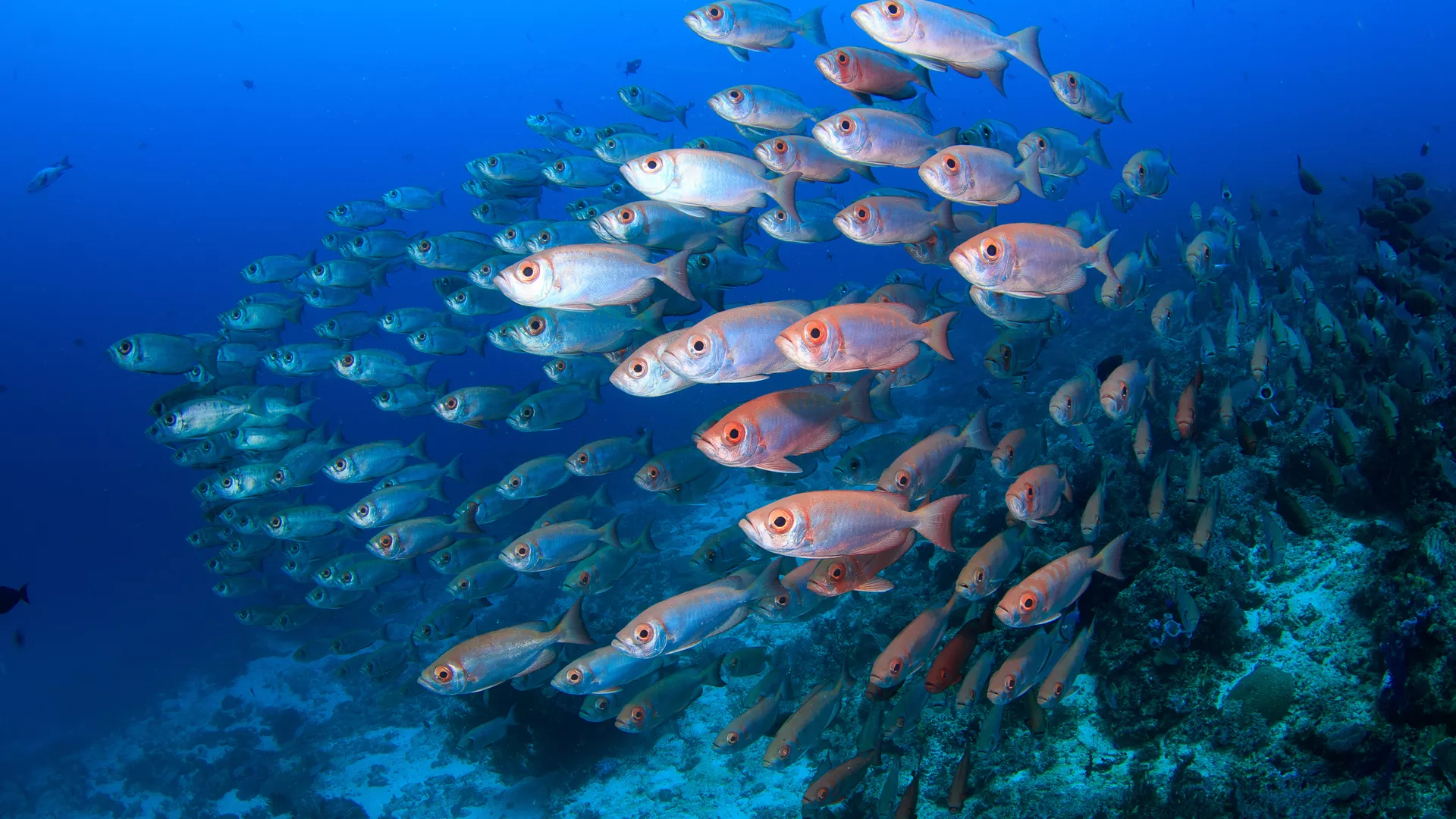
In a world where the natural environment is increasingly under threat, a group of unsung heroes are working tirelessly to preserve the diversity of fish species. These conservationists, scientists, and activists are on the front lines of a battle to protect the planet’s aquatic biodiversity, which is crucial for the health of ecosystems and the well-being of human populations that rely on fish for sustenance.
The Importance of Fish Biodiversity
Fish are an essential component of the world’s ecosystems, playing critical roles in food chains, nutrient cycling, and water purification. They are also a vital source of protein for billions of people, contributing significantly to global food security. The diversity of fish species is a testament to the variety of life that has evolved in the planet’s waters, from the deepest oceans to the smallest streams.
However, this diversity is under threat. Overfishing, habitat destruction, pollution, climate change, and invasive species are just a few of the challenges that fish populations face. These threats can lead to the decline or even extinction of species, disrupting ecosystems and diminishing the natural beauty and complexity of our planet.
Conservation Heroes at Work
Fortunately, there are individuals and organizations around the world who are dedicated to the conservation of fish species. These heroes are involved in a wide range of activities, from scientific research and policy advocacy to community engagement and hands-on conservation projects.
Scientists and Researchers
At the forefront of conservation efforts are the scientists and researchers who study fish populations and their habitats. These experts use their knowledge to identify species at risk, understand the impacts of human activities on aquatic ecosystems, and develop strategies for conservation and recovery. Their work is crucial for informing policy decisions and guiding on-the-ground conservation actions.
Policy Advocates
Policy advocates work to ensure that fish conservation is a priority for governments and international bodies. They lobby for the creation and enforcement of laws and regulations that protect fish species and their habitats. These advocates also work to raise awareness about the importance of fish biodiversity and the threats it faces, helping to build public support for conservation measures.
Community Engagers
Community engagement is a key component of successful conservation. Conservation heroes who work at the community level help to build local support for fish conservation, often involving local people in monitoring and protection activities. By empowering communities to take an active role in conservation, these individuals help to ensure that efforts are sustainable and effective.
On-the-Ground Conservationists
The work of on-the-ground conservationists is often the most visible aspect of fish conservation. These heroes are involved in activities such as habitat restoration, the creation of marine protected areas, and the rehabilitation of injured or endangered fish. Their work is critical for the immediate protection of fish species and the long-term health of aquatic ecosystems.
Success Stories
The efforts of conservation heroes have led to numerous success stories in fish conservation. For example, the recovery of the American alligator from the brink of extinction is a testament to the effectiveness of conservation measures. Similarly, the establishment of marine protected areas around the world has helped to protect vulnerable fish species and their habitats.
The Future of Fish Conservation
While there have been successes, the challenges facing fish biodiversity are ongoing. Climate change, in particular, poses a significant threat to aquatic ecosystems, and conservation heroes must adapt their strategies to address this growing concern.
The work of conservation heroes is more important than ever. By continuing to protect and restore the diversity of fish species, they are not only preserving the natural world but also ensuring the sustainability of human societies that depend on fish for their livelihoods and survival.
In conclusion, the conservation of fish species is a complex and challenging endeavor, but it is one that is being met with passion and dedication by a global community of heroes. Their work is a beacon of hope in the fight to preserve the planet’s biodiversity and ensure a healthy future for all life on Earth.