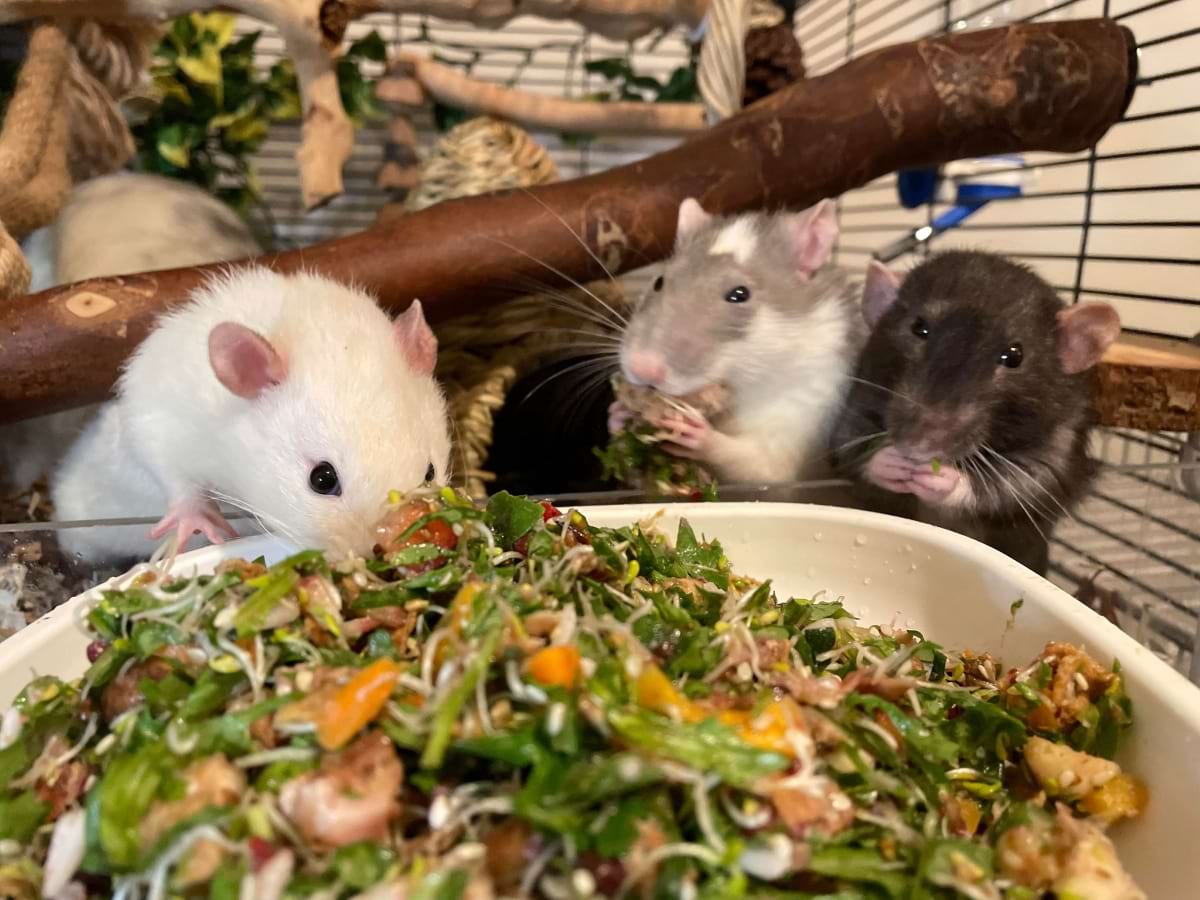
Rat Food: Essential Guide to a Balanced Diet for Pet Rats

quartetoolinda.com – Pet rats are intelligent, social animals that require a balanced and nutritious diet to stay healthy and active. Feeding your pet rats the right types of food ensures their overall well-being and can even extend their lifespan. Understanding their dietary needs and offering a variety of healthy options is key to keeping your furry companions happy. Here’s a complete guide to what to feed your pet rats and how to maintain a proper feeding routine.

1. Basic Nutritional Needs of Rats

Rats are omnivores, just like mice, which means they thrive on a diet that includes a mix of plant-based and animal-based foods. Their diet should consist of:

  • Protein: 12-14% protein for adult rats
  • Fat: 4-6% fat content
  • Fiber: A small amount of fiber to aid digestion

Feeding rats a diet too high in fat or protein can lead to obesity or other health problems, so balancing these macronutrients is important.

2. Commercial Rat Food

The foundation of a pet rat’s diet should be a high-quality, commercially formulated rat pellet or block. These foods are nutritionally balanced and specifically designed for rats. They provide the essential vitamins, minerals, and nutrients that rats need for growth and maintenance.

When choosing commercial rat food, look for brands that list whole grains, soy, or other high-quality ingredients at the top of their ingredient list. Avoid seed mixes as they can encourage selective feeding, where rats pick out their favorite bits and leave behind the healthier parts.

3. Fresh Fruits and Vegetables

In addition to commercial rat food, fresh fruits and vegetables should make up a significant portion of your rat’s diet. Offering a variety of fresh foods ensures they get essential vitamins and minerals. Some excellent options include:

  • Fruits: Apples, berries, grapes, melons, and bananas
  • Vegetables: Broccoli, spinach, carrots, zucchini, and peas

It’s important to introduce fresh foods gradually to avoid digestive upset. Also, ensure that all produce is thoroughly washed to remove pesticides.

4. Healthy Protein Sources

Rats benefit from occasional servings of protein, especially for growing rats or nursing females. Some safe protein options include:

  • Cooked eggs
  • Lean chicken or turkey (cooked, unseasoned)
  • Tofu
  • Small amounts of plain yogurt or cottage cheese

Remember that rats don’t need a large amount of protein in their diet, so these should be given in moderation.

5. Healthy Treats for Rats

Rats love treats, but they should be given sparingly to prevent overfeeding and ensure they stay healthy. Some safe and healthy treats for rats include:

  • Whole grains like oats or unsweetened cereal
  • Small amounts of unsalted nuts or seeds (e.g., sunflower seeds, almonds)
  • Cooked pasta or rice

Treats should only make up about 10% of your rat’s diet to avoid excess calories and ensure they’re getting the nutrition they need from their regular food.

6. Foods to Avoid

While rats can eat a wide variety of foods, there are some that should be avoided due to potential toxicity or negative health effects. Some of these include:

  • Citrus fruits (for male rats, as they can increase the risk of kidney damage)
  • Raw beans or peanuts
  • Green potatoes
  • Sugary, salty, or processed human foods
  • Chocolate, caffeine, or alcohol

These foods can cause digestive issues, weight gain, or even be toxic to rats.

7. Hydration: Always Provide Fresh Water

Rats need access to fresh, clean water at all times. Use a water bottle designed for small animals to keep the water clean and prevent spills. Check and refill the water daily, and clean the bottle regularly to prevent bacteria buildup.

8. Feeding Guidelines and Tips

  • Portion Control: Rats can overeat if given unlimited access to food. It’s best to provide measured portions of their staple food daily, and monitor their weight and activity levels.
  • Variety in Diet: While commercial food is essential, offering a variety of fresh fruits, vegetables, and occasional protein treats will keep your rat’s diet balanced and interesting.
  • Observe Eating Habits: Keep an eye on how your rats are eating. If they start losing weight, overeating, or displaying unusual behaviors, consult a veterinarian for advice.

9. Final Thoughts

Feeding your pet rats a balanced, nutritious diet is essential for their health and happiness. By combining high-quality commercial food with fresh produce and occasional protein sources, you can ensure they stay healthy and active. Avoid harmful foods and treats in moderation to keep your rats at a healthy weight and prevent digestive issues. Providing the right food, along with plenty of water and attention, will help your pet rats thrive for years to come.

The Joy of Keeping Tiny Animals: Pocket-Sized Pets

quartetoolinda.com – In a world where space is often at a premium, the allure of pocket-sized pets has never been greater. These tiny companions offer a unique blend of charm, convenience, and companionship, making them an ideal choice for many pet lovers. From the playful antics of hamsters to the serene presence of betta fish, small pets come in a variety of forms, each with its own set of joys and responsibilities.

The Appeal of Pocket-Sized Pets

Space-Saving Companions

One of the primary appeals of keeping tiny animals is the minimal space they require. Whether you live in a bustling city apartment or a cozy rural cottage, a small pet can fit seamlessly into your life. Their compact habitats can be easily accommodated on a desk, shelf, or small table, allowing you to enjoy their company without the need for a large, dedicated space.

Low-Maintenance Joy

Small pets are generally easier to care for than their larger counterparts. They often require less food, smaller habitats, and less frequent veterinary visits. This low-maintenance nature makes them an excellent choice for busy individuals or families who may not have the time to dedicate to a high-maintenance pet.

Unique Personalities

Despite their small size, pocket-sized pets are brimming with personality. Each animal has its own quirks, habits, and preferences, making them endlessly fascinating to observe and interact with. Whether it’s a guinea pig’s gentle nature, a gerbil’s curious exploration, or a parakeet’s cheerful songs, these tiny creatures offer a wealth of joy and entertainment.

Popular Pocket-Sized Pets

Hamsters: The Nighttime Explorers

Hamsters are beloved for their playful nature and nocturnal antics. These tiny rodents are content in a well-equipped cage, filled with tunnels, wheels, and hiding spots. Their active nightlife provides endless entertainment, especially for those who enjoy staying up late.

Fish: Serene Swimmers

Fish, particularly betta fish, are a peaceful addition to any home. A simple aquarium can become a mesmerizing focal point, offering a tranquil escape from the hustle and bustle of daily life. The vibrant colors and graceful movements of fish can have a calming effect, making them ideal for stress relief.

Birds: Melodious Companions

Parakeets and canaries are among the smallest birds that make excellent pets. They are known for their beautiful songs and can be quite affectionate with their owners. A bird’s cheerful presence can brighten any room, and their ability to mimic sounds can provide hours of amusement.

Reptiles: Fascinating Scaled Friends

For those interested in something a little different, reptiles like geckos and small snakes offer a unique pet experience. These cold-blooded creatures have specific habitat requirements but can be relatively low-maintenance once their needs are met. Their fascinating behaviors and unique appearances make them intriguing companions.

Caring for Your Pocket-Sized Pet

While pocket-sized pets may require less space and maintenance, they still need proper care to thrive. It’s essential to research the specific needs of your chosen pet, including diet, habitat, and exercise requirements. Regular veterinary check-ups are also crucial to ensure your pet’s health and happiness.

Diet and Nutrition

A balanced diet is key to keeping your small pet healthy. Whether it’s high-quality pellets for hamsters, fresh vegetables for guinea pigs, or live food for reptiles, understanding your pet’s dietary needs is fundamental.

Habitat and Environment

Creating a suitable habitat is essential for the well-being of your pet. This includes providing a clean, safe space with the right temperature, humidity, and enrichment. Regular cleaning and maintenance of the habitat will help prevent health issues and keep your pet comfortable.

Exercise and Stimulation

Small pets need regular exercise and mental stimulation to stay healthy and happy. This can be achieved through playtime, interactive toys, and, in some cases, supervised time outside their habitat. Engaging with your pet not only strengthens your bond but also keeps them mentally and physically stimulated.

Conclusion

Pocket-sized pets offer a world of joy in a compact package. Their small size, unique personalities, and relatively low-maintenance needs make them an appealing choice for many. Whether you’re a seasoned pet owner or considering your first pet, the tiny animal kingdom has something to offer everyone. With proper care and attention, these little companions can bring endless happiness and companionship to your life.