Call Me Bwana: A Hopeful Adventure in Africa

quartetoolinda.com – Call Me Bwana is a 1963 British-American comedy film starring Bob Hope, Anita Ekberg, and Edie Adams. Directed by Gordon Douglas, the film is a lighthearted adventure comedy that follows the misadventures of a bumbling anthropologist sent on a secret mission to Africa.   

A Fake Expert in the Wild

Bob Hope plays Matthew Merriweather, a self-proclaimed expert on African culture who has never actually been to Africa. Despite his lack of experience, he is recruited by the U.S. government to retrieve a missing space probe that has crash-landed in the heart of the African jungle.  

Armed with a safari hat, a pith helmet, and a briefcase full of outdated maps, Merriweather embarks on his perilous journey. Along the way, he encounters a variety of colorful characters, including a beautiful spy (Anita Ekberg) and a bumbling CIA agent (Edie Adams).  

A Comedy of Errors

Call Me Bwana is a classic fish-out-of-water comedy, filled with slapstick humor, witty dialogue, and plenty of sight gags. Hope’s trademark comedic style is on full display, as he delivers a series of hilarious one-liners and physical comedy routines.   

The film’s African setting provides ample opportunities for exotic locales, exotic animals, and exotic encounters. While the film’s portrayal of Africa is somewhat stereotypical, it is also undeniably entertaining.   

A Nostalgic Delight

Call Me Bwana is a nostalgic throwback to the golden age of Hollywood comedies. It is a film that celebrates the spirit of adventure, the power of laughter, and the enduring appeal of Bob Hope’s unique brand of humor.
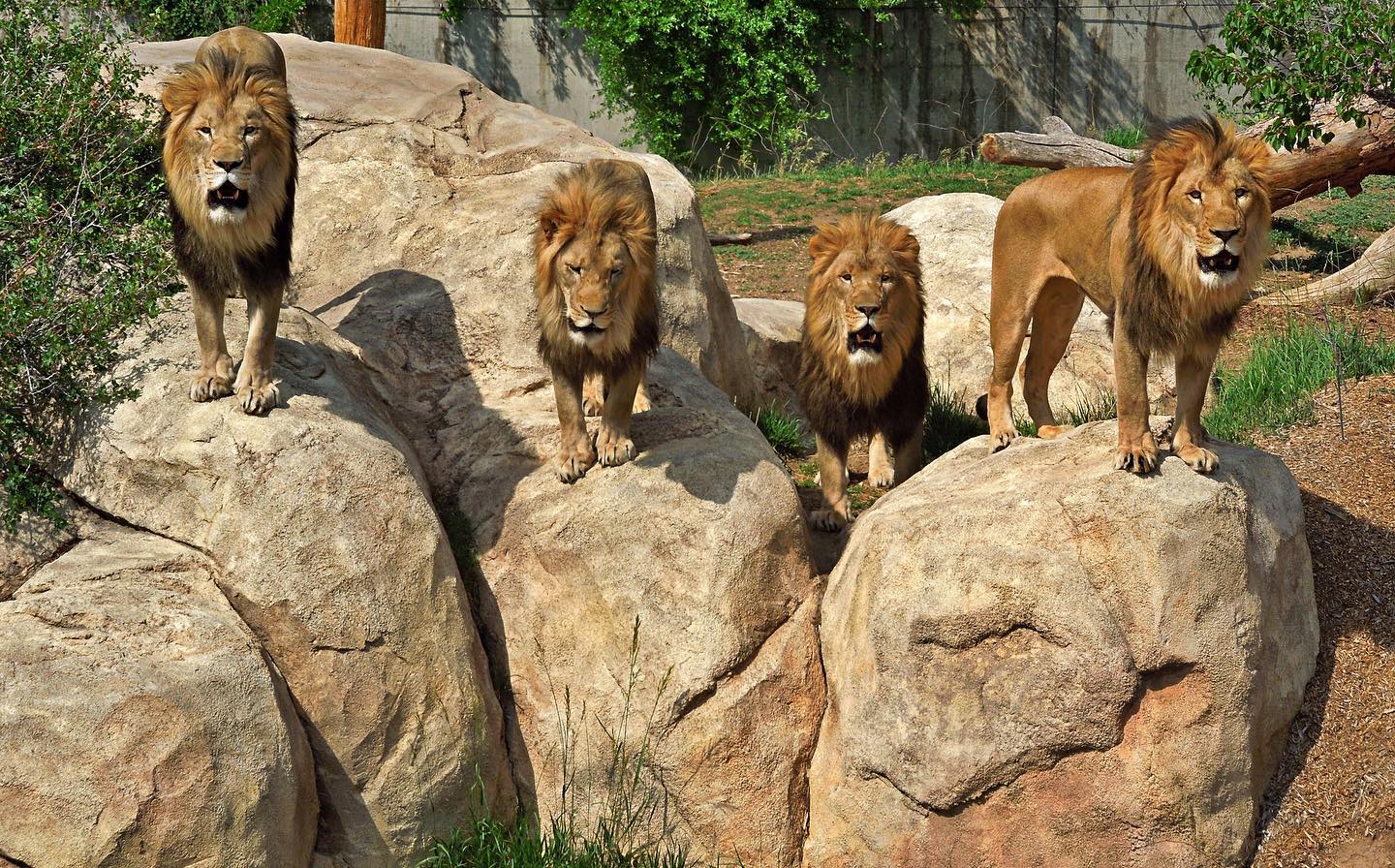
The African Lion’s Legacy: Pride and Power

In the vast, sun-drenched savannas of Africa, a majestic creature roams, embodying the very essence of strength, courage, and nobility. The African lion, Panthera leo, reigns as the king of the jungle, a symbol of power and pride that has captivated human imagination for millennia. This iconic big cat, with its impressive mane and resonant roar, holds a legacy that is as rich as it is complex, intertwining the threads of ecology, culture, and conservation.

The African lion is more than just an apex predator; it is a keystone species, playing a crucial role in maintaining the balance of its ecosystem. By preying on the weak and sick, lions help to ensure the health and genetic vitality of herbivore populations. Their presence also influences the behavior and distribution of other predators, creating a delicate balance that supports a diverse array of wildlife.

Lions live in social groups known as prides, which typically consist of several adult females, their cubs, and a few adult males. This unique social structure is the foundation of their legacy, embodying the very concept of pride. The bonds within a pride are strong, with members working together to raise their young, hunt, and defend their territory. The lionesses, the primary hunters, demonstrate remarkable cooperation and strategy, while the males, with their imposing manes, provide protection and ensure the survival of the pride.

Throughout history, the African lion has been revered and feared, its image woven into the tapestry of human culture. In ancient Egypt, the lion was associated with the goddess Sekhmet, symbolizing power and war, while in medieval European heraldry, the lion represented bravery and royalty. Across Africa, lions hold a special place in folklore and mythology, often depicted as wise and powerful spirits.

However, the legacy of the African lion is not without its challenges. Habitat loss, human-wildlife conflict, and poaching have pushed lion populations to the brink. Once ranging across much of Africa, as well as parts of Europe and Asia, lions now inhabit less than 25% of their historical range. Conservation efforts are crucial to safeguarding the future of these magnificent creatures, involving community engagement, anti-poaching measures, and habitat restoration.

The African lion’s legacy is a testament to the enduring power of nature and the importance of preserving our planet’s biodiversity. As we stand at a crossroads, with the fate of the lion and countless other species in our hands, we must remember the lessons of pride and power that the lion teaches us. It is a call to action, urging us to protect not only the lions but the intricate web of life that sustains us all.

In the words of the renowned conservationist George Adamson, “The only man who is truly free is the one who can turn down an invitation to dine with a king to go on a walk with a lion.” The African lion, with its legacy of pride and power, continues to inspire us to walk alongside nature, not as conquerors, but as guardians of the wild.