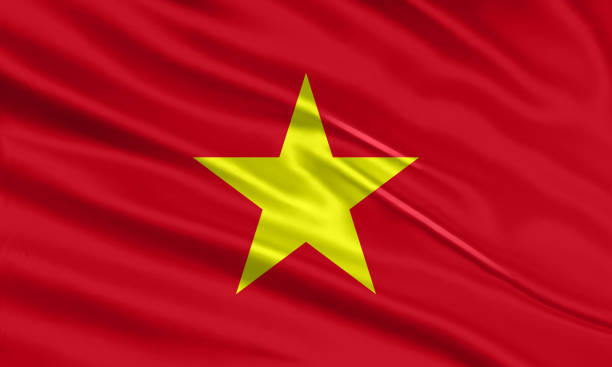
quartetoolinda.com – Vietnam’s history is a testament to the indomitable spirit of its people, marked by centuries of resilience and renewal in the face of adversity. From ancient times to the modern era, Vietnam has navigated through periods of foreign domination, internal strife, and economic challenges, emerging each time with a renewed sense of purpose and identity.
The Early Kingdoms and Chinese Domination
The story of Vietnam begins with the establishment of the early kingdoms in the Red River Delta, which eventually came under the rule of the Chinese Han Dynasty in 111 BCE. For nearly a millennium, Vietnam was under Chinese domination, a period that significantly influenced its culture, language, and political systems. Despite this, the Vietnamese people maintained a distinct identity and made several attempts to assert their independence, culminating in the expulsion of the Mongols in the 13th century and the establishment of the Tran Dynasty.
The Struggle for Independence
The quest for independence continued with the rise of the Le Dynasty in the 15th century, which successfully expelled the Chinese Ming Dynasty forces and established a period of relative stability and prosperity. However, the country later fell into civil war and was divided into rival states, leading to centuries of internal conflict and instability.
French Colonialism and the Road to Modern Independence
The 19th century saw the arrival of French colonialists, who gradually took control of Vietnam, Laos, and Cambodia, forming French Indochina. The colonial period was marked by economic exploitation and cultural suppression, but it also laid the groundwork for modern education and infrastructure. The Vietnamese resistance against French rule began in earnest in the early 20th century, led by nationalist groups and, notably, the Communist Party under Ho Chi Minh.
The Vietnam War and Reunification
The struggle for independence reached its zenith with the Vietnam War, a prolonged and brutal conflict that involved the United States and its allies on one side and the North Vietnamese and Viet Cong on the other. The war ended in 1975 with the fall of Saigon and the reunification of Vietnam under the communist government. The country then embarked on a path of reconstruction and renewal, facing the challenges of post-war recovery and international isolation.
Economic Renewal and Integration
In the late 20th century, Vietnam began to implement economic reforms known as Doi Moi, which opened the country to foreign investment and market principles. This period marked a significant turning point, as Vietnam transitioned from a centrally planned to a socialist-oriented market economy. The reforms led to rapid economic growth, poverty reduction, and integration into the global economy, culminating in Vietnam’s accession to the World Trade Organization in 2007.
Contemporary Challenges and Opportunities
Today, Vietnam continues to navigate the complexities of economic development, political governance, and international relations. The country faces challenges such as environmental degradation, inequality, and the need for political reform. However, its history of resilience and renewal suggests that Vietnam is well-equipped to meet these challenges, maintaining its trajectory of growth and integration into the global community.
In conclusion, Vietnam’s history is a narrative of resilience and renewal, characterized by the enduring spirit of its people. From ancient kingdoms to modern nationhood, Vietnam has demonstrated an unyielding determination to overcome adversity and forge a path towards progress and prosperity.
