Cansu Dere: A Timeless Icon of Turkish Entertainment

quartetoolinda.com – Cansu Dere has established herself as a prominent and highly respected figure in the Turkish entertainment industry, captivating audiences with her striking beauty, sophisticated presence, and compelling performances. Known for her memorable roles in iconic series like “Ezel” and “Anne” (Mother), Dere has demonstrated her versatility, emotional depth, and enduring appeal. Her transition from modeling to acting has been marked by consistent success and critical acclaim, solidifying her status as a true icon.

Early Life and Modeling Career

Born on October 14, 1980, in Ankara, Turkey, Cansu Dere initially pursued a career in archaeology at Istanbul University. However, her striking looks and natural grace led her to the world of modeling in the late 1990s. She quickly became a sought-after model, appearing in numerous fashion shows, magazines, and advertising campaigns.  

This early experience in the fashion industry provided her with valuable exposure to the world of media and performance, honing her poise and presence in front of the camera. It also laid the foundation for her future transition into acting.

Transition to Acting and Early Roles

Dere’s transition from modeling to acting began in the early 2000s, with appearances in various television series. These early roles allowed her to gain on-set experience and develop her acting skills. She quickly demonstrated a natural talent for embodying different characters and connecting with audiences.

While she had appeared in several projects before, her role in the historical drama “Sıla” brought her wider recognition and showcased her ability to handle complex and emotionally charged roles. This marked a significant step forward in her acting career.

Breakthrough and Iconic Role in “Ezel”

A significant turning point in Dere’s career came with her role as Eyşan Tezcan in the critically acclaimed television series “Ezel.” Her portrayal of the complex and enigmatic Eyşan, a woman torn between love and betrayal, captivated audiences and critics alike.

“Ezel” became a cultural phenomenon in Turkey and beyond, and Dere’s performance was particularly praised for its nuance, depth, and emotional intensity. This role solidified her status as a leading actress and earned her widespread acclaim.

Continued Success and Powerful Performance in “Anne”

Following the success of “Ezel,” Dere continued to demonstrate her versatility by taking on diverse roles in various projects. She starred in the series “Muhteşem Yüzyıl” (Magnificent Century), further showcasing her ability to perform in historical dramas.

However, her role in the drama series “Anne” (Mother), an adaptation of the Japanese drama “Mother,” brought her even greater international recognition. Her portrayal of Zeynep Güneş, a teacher who takes on the role of a mother to a young abused girl, was deeply moving and resonated with audiences worldwide. This role further solidified her reputation as a talented and impactful actress.   

A Timeless Icon with Enduring Appeal

Cansu Dere’s journey from modeling to acting stardom is a testament to her talent, dedication, and timeless elegance. With her captivating performances, diverse roles, and sophisticated presence, she has become a true icon of Turkish entertainment.

Her ability to connect with audiences on an emotional level, combined with her natural grace and poise, ensures that she will remain a beloved and respected figure in the years to come. As she continues to choose projects that challenge and inspire her, Cansu Dere is poised to further solidify her place as one of Turkey’s most talented and enduring actresses. Her impact on the industry extends beyond her performances, as she has also become a role model for many aspiring actors and a symbol of grace and sophistication.

Adriano Celentano: The Unmatched Showman

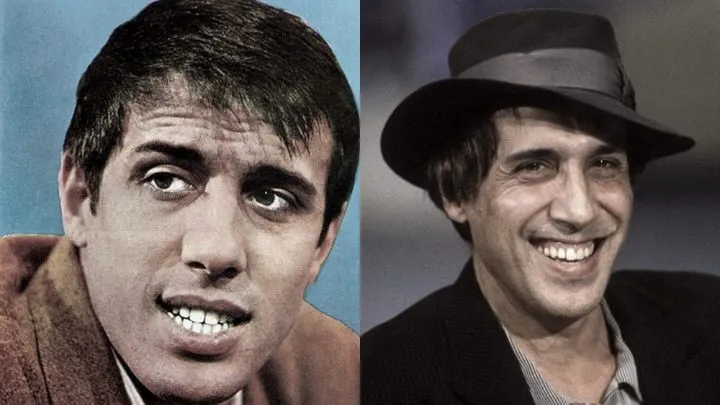
quartetoolinda.com – Adriano Celentano, often referred to as “Il Molleggiato” (The Springy One) due to his energetic dance moves, is an iconic figure in Italian entertainment. A multi-talented artist, he has excelled as a singer, actor, television personality, and filmmaker. His unique blend of charisma, wit, and musical talent has made him one of Italy’s most beloved and influential entertainers.  

Early Life and Career Beginnings

Born on January 6, 1938, in Milan, Italy, Celentano’s early life was marked by a passion for music and performance. He started his career as a singer in the late 1950s, heavily influenced by American rock and roll. His energetic stage presence and distinctive voice quickly captured the attention of the Italian public.   

A Musical Icon

Celentano’s music has spanned various genres, from rock and roll to pop, and has often incorporated social and political commentary. His hits like “Il Ragazzo della Via Gluck,” “Azzurro,” and “Il Ballo del Qua Qua” have become timeless classics. He is known for his innovative music videos and his ability to connect with audiences of all ages.   

A Versatile Actor

In addition to his musical career, Celentano has also made a significant impact on Italian cinema. He has starred in numerous films, often playing unconventional and comedic roles. His collaborations with directors like Sergio Corbucci and Luciano Salce have produced some of the most iconic Italian comedies of the 1960s and 1970s.   

A Television Pioneer

Celentano has also been a groundbreaking television personality. His innovative and often controversial television shows have challenged the norms of Italian television. He has hosted a variety of programs, from music shows to talk shows, and has used his platform to address social issues and political concerns.   

A Cultural Icon

Adriano Celentano’s impact on Italian culture extends far beyond his artistic achievements. He is a symbol of rebellion, innovation, and social consciousness. His music, films, and television appearances have shaped the cultural landscape of Italy for decades.

A Timeless Legacy

Even in his later years, Celentano continues to captivate audiences with his unique style and enduring appeal. His legacy as a singer, actor, and television personality is secure, and his influence on Italian culture will be felt for generations to come.

Kim Hye-ja: A Timeless Icon and Beloved Figure

quartetoolinda.com – Born on October 29, 1941, in Seoul, South Korea, Kim Hye-ja is a legendary actress whose career spans over six decades. Her remarkable talent, grace, and unwavering dedication have made her a beloved figure in the Korean entertainment industry.

Early Career and Rise to Fame

Kim Hye-ja began her acting career in the 1960s, quickly establishing herself as a promising young actress. Her breakthrough role came in the 1970s with the popular television drama “Mother.” Her portrayal of a devoted mother resonated with audiences and solidified her position as a leading actress.  

A Versatile Performer

Kim Hye-ja is renowned for her versatility as an actress. She has effortlessly transitioned between film and television, showcasing her talent in a wide range of genres, from historical dramas to contemporary melodramas. Her ability to embody complex characters with depth and nuance has earned her critical acclaim and numerous awards.

A Philanthropic Heart

Beyond her acting career, Kim Hye-ja is known for her philanthropic endeavors. She has actively participated in various charitable causes, donating to organizations that support children, the elderly, and those in need. Her commitment to giving back to society has earned her immense respect and admiration.

A Cultural Icon

Kim Hye-ja is a cultural icon, often referred to as the “Nation’s Mother” due to her numerous roles as maternal figures in popular dramas. Her elegant and sophisticated style has inspired generations of fans.   

A Lasting Legacy

Kim Hye-ja’s enduring popularity and timeless talent have made her a beloved figure in South Korea. Her contributions to the Korean entertainment industry are immeasurable, and her legacy as a talented actress and compassionate human being will continue to inspire future generations.

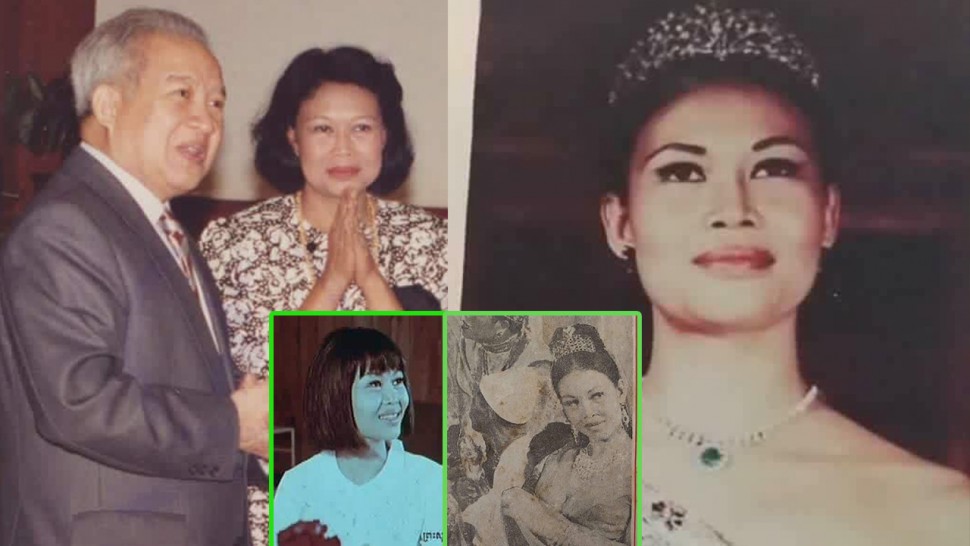
Saksi Sbong: The Queen of Villains – Icon of Cambodian Cinema

quartetoolinda.com – Saksi Sbong, a name synonymous with the golden age of Cambodian cinema, was a captivating actress renowned for her portrayal of complex and often villainous characters. Born in Phnom Penh in 1940, she quickly rose to fame and became one of the most recognizable faces of the era.   

A Versatile Actress

While Saksi Sbong was often typecast as a villain, she was a versatile actress capable of embodying a wide range of characters. Her ability to portray both sympathetic and sinister roles with equal skill made her a beloved figure among audiences.

The Queen of Villains

Saksi Sbong’s most iconic roles were as the quintessential villain. Her performances were characterized by a certain intensity and a magnetic presence that captivated audiences. Some of her most memorable villainous roles include:

  • Tep Sodachan: In this tragic love story, Saksi Sbong played the role of a manipulative and jealous woman who plots against the protagonists.   
  • Puos Keng Kong: In this historical drama, she portrayed a cunning and ruthless character who stops at nothing to achieve her goals.

A Cultural Icon

Beyond her acting career, Saksi Sbong became a cultural icon in Cambodia. Her beauty, elegance, and distinctive style made her a trendsetter. She was often featured in fashion magazines and advertisements, further solidifying her status as a beloved figure.

A Legacy That Endures

Despite the tragic events of the Khmer Rouge regime, Saksi Sbong’s legacy lives on. Her films continue to be celebrated and revered, and her performances are still considered to be some of the finest in Cambodian cinema history.

Key Points About Saksi Sbong:

  • A Versatile Actress: Capable of portraying a wide range of roles
  • The Queen of Villains: Renowned for her iconic villainous roles 
  • Cultural Icon: Beloved for her beauty, elegance, and style
  • Enduring Legacy: Continues to inspire future generations of actors

In conclusion, Saksi Sbong’s contributions to Cambodian cinema are immeasurable. Her talent, beauty, and charisma have made her a timeless icon. Her legacy will continue to inspire and captivate audiences for generations to come.

The Enigma of Maleficarum: A Villainous Icon

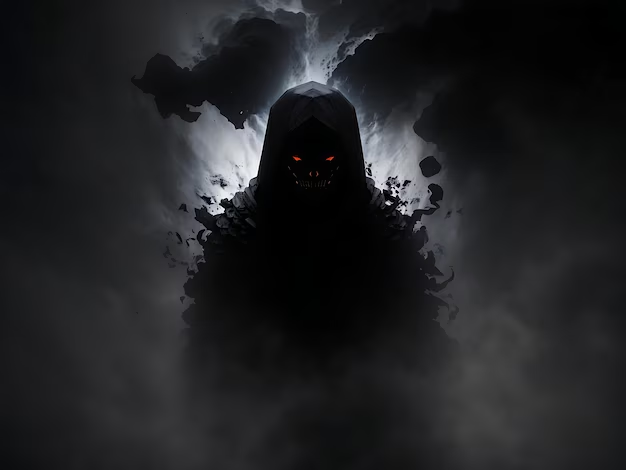
quartetoolinda.com – Maleficarum is a name that evokes a sense of mystery and dread in the realm of fictional villains. Known for her dark allure and formidable powers, Maleficarum has captured the imagination of audiences across various mediums. This article delves into the character’s origins, motivations, and cultural impact, exploring why she remains a compelling figure in the pantheon of villains.

Origins and Background

Maleficarum first appeared in the literary world as a sorceress of immense power, her name derived from the Latin term “malleus maleficarum,” meaning “hammer of the witches.” This reference hints at her deep connection to witchcraft and the dark arts. She is often portrayed as a fallen noblewoman who turned to magic to seek vengeance against those who wronged her. Her backstory is rich with themes of betrayal and tragedy, which add layers to her character and make her motivations more relatable.

Powers and Abilities

Maleficarum’s abilities are vast and formidable. She is a master of dark magic, capable of casting powerful spells that can manipulate the elements, control minds, and summon supernatural creatures. Her knowledge of ancient rituals and forbidden texts gives her an edge over her adversaries, making her a formidable enemy to heroes who dare to challenge her. Her most iconic ability is her shape-shifting prowess, which allows her to transform into a fearsome dragon, a symbol of her unbridled power and rage.

Motivations and Personality

At the core of Maleficarum’s character is a deep-seated desire for revenge and control. Her motivations often stem from a profound sense of betrayal and injustice, driving her to seek power at any cost. Despite her malevolence, she is not without complexity; moments of vulnerability and introspection reveal a tragic figure shaped by her past. Her intelligence and cunning make her a strategic thinker, always planning several steps ahead of her enemies.

Cultural Impact

Maleficarum has left an indelible mark on popular culture, inspiring countless adaptations in film, television, and literature. Her character resonates with audiences because she embodies the archetype of the powerful, misunderstood villain. She has become a symbol of female empowerment, challenging traditional gender roles and showcasing the strength and resilience of women who refuse to be silenced. Her influence can be seen in various modern villainous characters, who draw inspiration from her complexity and depth.

Conclusion

Maleficarum stands as a testament to the enduring appeal of villainous characters who defy easy categorization. Her blend of power, tragedy, and intelligence makes her a captivating figure whose story continues to be told and retold. As audiences continue to explore the gray areas of morality, Maleficarum remains a relevant and intriguing character, inviting us to question the nature of good and evil.