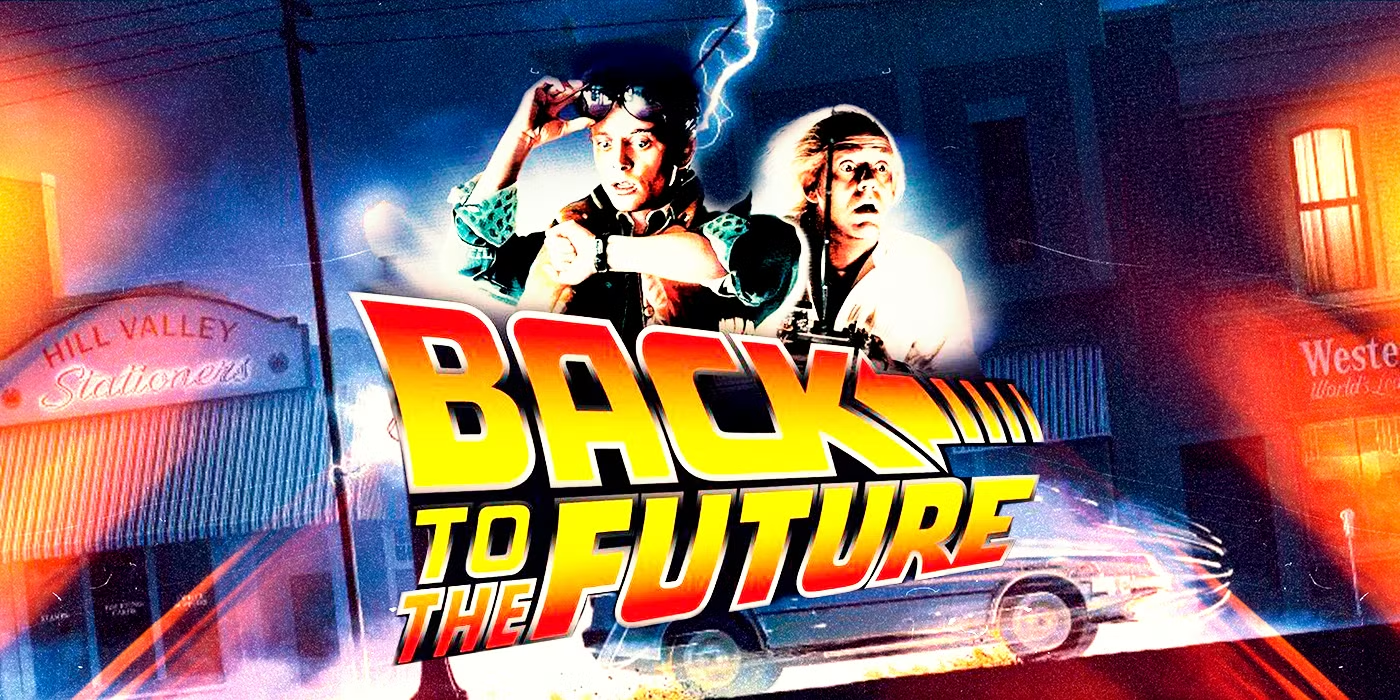
Back to the Future: A Timeless Classic

quartetoolinda.com – The “Back to the Future” film series has captivated audiences for decades with its unique blend of science fiction, adventure, and comedy. Released in 1985, the original film became an instant hit, spawning two successful sequels and cementing its place in pop culture history. Let’s dive into what makes “Back to the Future” such a beloved classic.

The Story and Its Impact

“Back to the Future” follows the story of Marty McFly, a teenager who accidentally travels back in time to 1955 in a DeLorean car turned time machine, invented by the eccentric Dr. Emmett “Doc” Brown. The film explores the themes of time travel, the butterfly effect, and the importance of family and friendship. Its engaging storyline and clever writing have made it a staple in the science fiction genre.

The film’s impact extends beyond its narrative. It introduced audiences to the concept of altering the past to change the future, a theme that has since been explored in numerous other films and TV shows. The series also gave us iconic phrases like “Great Scott!” and “Where we’re going, we don’t need roads,” which have become part of the cultural lexicon.

Iconic Characters and Performances

The characters in “Back to the Future” are one of its greatest strengths. Michael J. Fox’s portrayal of Marty McFly is charismatic and relatable, making him an enduring character in film history. Christopher Lloyd’s performance as Doc Brown is equally memorable, with his wild-haired, eccentric scientist character becoming a fan favorite.

The chemistry between Fox and Lloyd is a key element of the film’s success. Their dynamic adds depth to the story and provides much of the film’s humor and heart. Supporting characters, like Marty’s parents George and Lorraine McFly, played by Crispin Glover and Lea Thompson, add layers to the storyline, especially as Marty interacts with their younger selves in 1955.

The Legacy and Cultural Influence

“Back to the Future” has left a lasting legacy in popular culture. The DeLorean time machine has become an iconic symbol of the series, known for its gull-wing doors and flux capacitor. The film’s depiction of time travel and its creative vision of the future (as seen in the sequels) have inspired countless filmmakers and writers.

The series’ influence extends to music, fashion, and even technology. The Nike self-lacing shoes and hoverboards, imagined in the films, have inspired real-world innovations. The film’s soundtrack, featuring Huey Lewis and the News, remains popular and instantly recognizable.

Conclusion

“Back to the Future” is more than just a film; it’s a cultural phenomenon that continues to resonate with audiences of all ages. Its timeless story, memorable characters, and innovative approach to time travel make it a classic that will be cherished for generations to come. Whether you’re a fan revisiting Hill Valley or a newcomer experiencing it for the first time, “Back to the Future” offers an unforgettable journey through time.

An Actress’s Guide to Transformation: In Character

In the ever-evolving world of acting, transformation is not just a tool; it’s an art form. For an actress, stepping into a character means more than just memorizing lines and hitting marks; it’s about embodying a completely different person, with their own history, emotions, and motivations. “In Character: An Actress’s Guide to Transformation” delves into the intricate process of how actresses can achieve this metamorphosis, offering insights, techniques, and personal anecdotes from some of the industry’s most respected names.

Understanding the Character

The first step in transformation is understanding. Actresses must immerse themselves in their characters’ lives, asking questions about their backgrounds, relationships, and desires. This involves more than just reading the script; it’s about researching the time period, culture, and environment in which the character exists. By building a detailed backstory, an actress can begin to see the world through her character’s eyes.

Physical Transformation

Physical transformation is often the most visible aspect of an actress’s metamorphosis. This can range from changes in posture and movement to more drastic measures like gaining or losing weight, or altering one’s appearance with makeup and prosthetics. The key is to make these changes serve the character, enhancing the performance rather than distracting from it.

Emotional Transformation

Emotional transformation is where the true essence of a character comes to life. Actresses must tap into their own experiences and emotions to convey the character’s feelings authentically. This requires vulnerability and a willingness to explore uncomfortable or painful memories. Techniques such as sense memory and emotional recall can help actresses access these emotions at will, making their performances resonate with audiences.

Voice and Speech

The way something is said can have a significant impact on how it’s received by the listener. Actresses must consider not just what their characters say, but how they say it. This includes accent work, rhythm, and tone of voice. Voice and speech coaches can be invaluable in helping actresses master the nuances of their character’s dialect and delivery.

The Power of Observation

Great actresses are also great observers of human behavior. By watching and mimicking the mannerisms, speech patterns, and reactions of people from all walks of life, actresses can add layers of realism to their performances. This skill is honed over time and requires a commitment to continuous learning and growth.

Letting Go

Perhaps one of the most challenging aspects of transformation is letting go of oneself. To truly become another person, an actress must be willing to shed her own identity, at least temporarily. This means stepping out of one’s comfort zone and embracing the unknown. It’s a leap of faith that requires trust in one’s abilities and the support of a collaborative team.

The Rewards of Transformation

The process of transformation can be grueling, but the rewards are immense. Actresses who commit to this journey not only create memorable characters but also grow as artists and individuals. They gain empathy, versatility, and a deeper understanding of the human condition.

In conclusion, “In Character: An Actress’s Guide to Transformation” is a testament to the dedication and craftsmanship required to excel in the acting profession. It’s a reminder that transformation is not just about changing one’s appearance or adopting a new voice; it’s about diving deep into the soul of a character and bringing them to life in a way that touches the hearts and minds of audiences everywhere. For actresses willing to embark on this journey, the possibilities for creativity and expression are limitless.