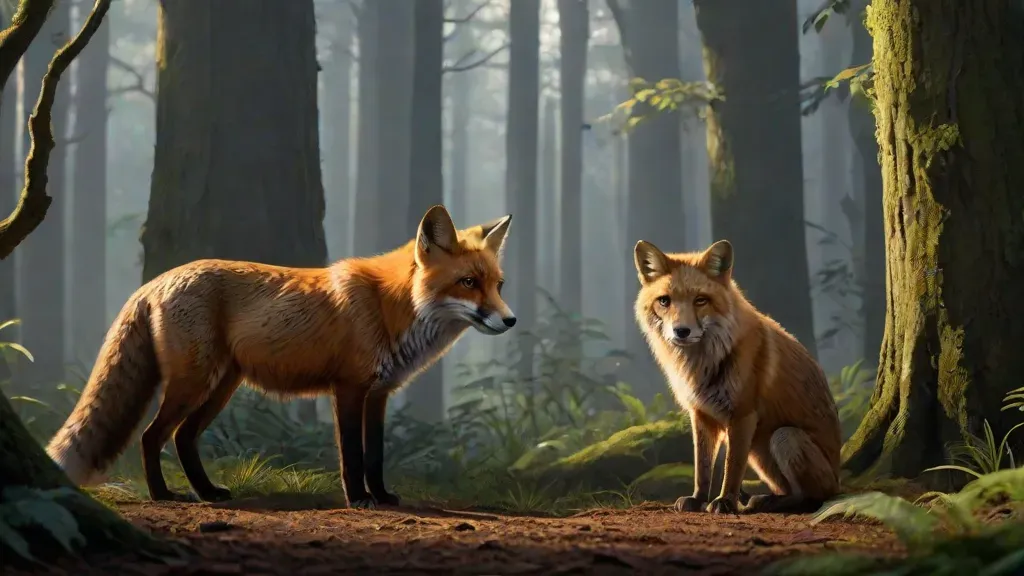
The Clever Fox: Tales of Cunning and Survival

quartetoolinda.com – The fox has long been a symbol of cunning and intelligence in folklore and literature across cultures. Known for its resourcefulness and adaptability, the fox demonstrates remarkable survival skills, which have inspired countless stories and legends. This article explores the diverse tales of the clever fox, examining its role in traditional narratives and the lessons it imparts.

The Fox in Folklore

In many cultures, the fox is depicted as a trickster figure, using its wits to outsmart both predators and prey. From Aesop’s fables to Native American legends, the fox’s cleverness is celebrated, often serving as a metaphor for the triumph of intellect over strength. These stories frequently involve the fox outmaneuvering larger, more powerful animals, highlighting the value of intelligence and strategy.

Notable Tales of the Clever Fox

  1. Aesop’s Fables: In the classic fable “The Fox and the Grapes,” a fox attempts to reach a cluster of grapes hanging high on a vine. After several unsuccessful attempts, the fox walks away, declaring the grapes to be sour. This tale illustrates the concept of cognitive dissonance and the human tendency to rationalize failure.
  2. The Japanese Kitsune: In Japanese mythology, the kitsune is a fox spirit known for its shapeshifting abilities and supernatural powers. These foxes are believed to possess great wisdom and often use their magic to help or deceive humans. The kitsune stories emphasize the dual nature of the fox, capable of both benevolence and mischief.
  3. Reynard the Fox: Reynard is a character from medieval European literature, known for his cleverness and guile. In these tales, Reynard outwits his adversaries, including noblemen and even royalty, using his wits to navigate a world filled with danger and deceit. His adventures underscore the importance of wit and humor in overcoming adversity.

Lessons from the Fox

The tales of the clever fox offer valuable lessons about survival and adaptability. They teach us that intelligence and cunning can be as powerful as physical strength, and that strategic thinking is essential in navigating complex situations. The fox’s ability to adjust to changing circumstances serves as a reminder of the importance of resilience and flexibility in the face of challenges.

Conclusion

The clever fox remains an enduring symbol of cunning and survival in folklore and literature. Its stories continue to captivate audiences, offering timeless lessons about the power of intelligence and the importance of adaptability. As we navigate our own challenges, the fox’s tales remind us that sometimes, the sharpest tool we have is our mind.

Survival Strategies of Cold-Weather Creatures: Winter Wildlife

quartetoolinda.com – Winter is a season of stark beauty, but it also presents formidable challenges for wildlife. The cold, snow, and ice can be deadly for animals that are not well-adapted. However, many creatures have evolved ingenious survival strategies to endure the harsh conditions. From the Arctic fox to the wood frog, these animals have developed unique ways to cope with the cold.

The Arctic Fox: Master of Insulation

The Arctic fox is a prime example of an animal that has adapted to survive in one of the coldest environments on Earth. Its thick fur is not only dense but also has a special structure that traps heat. The fox’s coat changes color with the seasons, from brown in the summer to white in the winter, providing camouflage against the snowy landscape. Additionally, the fox has a short, rounded body shape that minimizes heat loss, and it can even alter the size of its ears and tail to regulate body temperature.

The Wood Frog: The Art of Freezing

The wood frog has an extraordinary adaptation that allows it to survive being frozen. When temperatures drop, the frog produces large amounts of glucose, which acts as a natural antifreeze, preventing the frog’s vital organs from freezing. The frog’s cells dehydrate, and the water inside them turns to ice, but the frog can thaw out and hop away once spring arrives.

Birds: Migration and Adaptation

Many bird species have developed two main strategies to deal with winter: migration and adaptation. Migratory birds, such as the monarch butterfly, travel to warmer climates to escape the cold. Others, like the chickadee, stay put and adapt by fluffing their feathers to trap warm air, using their body fat as insulation, and engaging in behaviors like clustering together in trees to share body heat.

Hibernation: A Seasonal Slumber

Hibernation is a well-known survival strategy among cold-weather creatures. Animals like bears, ground squirrels, and bats reduce their body temperature and slow their metabolism to conserve energy during the winter months. They often build up fat reserves in the fall to sustain them through their long sleep. Hibernation allows these animals to wait out the winter until food becomes more abundant in the spring.

Camouflage and Shelter

Some animals use their environment to their advantage. The snowy owl’s white plumage blends in with the snow, making it nearly invisible to prey. Other animals, like the ermine, a small weasel, also turn white in winter to blend into the snowy landscape. Many creatures, from insects to mammals, seek shelter in burrows, under tree bark, or in the hollows of trees to protect themselves from the cold and wind.

The Power of Community

Social animals like wolves, penguins, and prairie dogs demonstrate the power of community during winter. By living in groups, they can share body heat, reduce the risk of predation, and work together to find food. Penguins huddle together in large groups, rotating positions to ensure that each individual has time in the warm center of the huddle.

Conclusion

The survival strategies of cold-weather creatures are a testament to the incredible adaptability of life. From the Arctic fox’s insulating fur to the wood frog’s ability to freeze and thaw, these animals have developed remarkable ways to cope with the winter’s challenges. As we marvel at their resilience, we can also learn from them about the importance of adaptation, community, and the power of nature’s ingenuity.