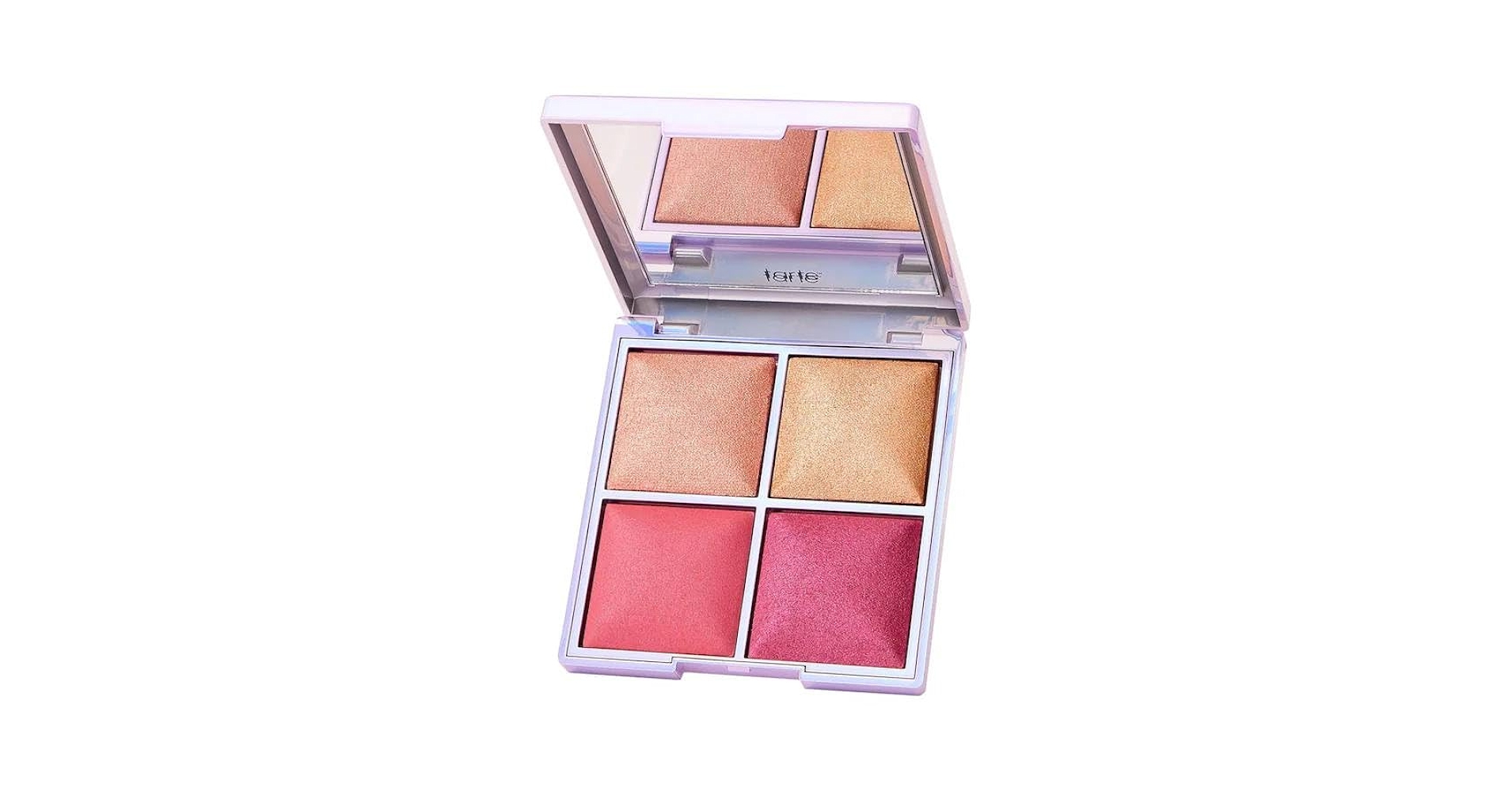
quartetoolinda.com – The Tarte Cosmetics Glow Squad Amazonian Clay Palette is a face and highlighter palette that combines a range of soft, glowing shades designed to illuminate and sculpt your complexion. The palette includes a variety of textures, from silky matte shades to shimmering highlighters, making it an all-in-one product that’s versatile enough for everyday wear or special occasions. Each shade is formulated with Amazonian Clay, a key ingredient known for its ability to balance and improve the skin’s texture while providing long-lasting results.
The palette contains shades that can be used as highlighters, blushes, and bronzers, allowing for a customized, glowing makeup look. Whether you’re aiming for a natural glow or a full, sculpted face, the Glow Squad Amazonian Clay Palette delivers exceptional color payoff and flawless application.
Why Amazonian Clay?
Tarte’s commitment to clean beauty is one of the key selling points of their products, and Amazonian Clay is a signature ingredient across the brand’s collection. Sourced from the Amazon rainforest, this natural clay is rich in nutrients and minerals, making it ideal for balancing the skin’s oil production while ensuring a smooth, even texture. Amazonian Clay is known for its ability to absorb excess oil, leaving the skin feeling soft, matte, and comfortable throughout the day, while also providing hydration and nourishment.
When incorporated into makeup products, Amazonian Clay helps create a smooth, velvety finish that improves the longevity of the product. It is especially beneficial for those with oily or combination skin, as it helps control shine and maintain a natural, radiant glow without the greasy finish that can sometimes accompany highlighter or blush products.
Key Features and Benefits of the Glow Squad Amazonian Clay Palette
1. Radiant Finish with Buildable Coverage
The Glow Squad Amazonian Clay Palette is designed to provide a radiant finish that can be built up or sheered out depending on your preference. The highlighters have a beautiful, natural shine that gives your skin a lit-from-within glow without being too intense or glittery. The blush and bronzer shades add warmth and dimension to the face, allowing you to sculpt and shape your features effortlessly.
One of the standout features of this palette is its ability to build up color without looking cakey or heavy. Whether you prefer a light wash of color or a more dramatic glow, the formulas are smooth and blendable, allowing you to layer the product to your desired intensity. This makes it perfect for a wide range of skin tones and preferences.
2. Multi-Use Shades
One of the most appealing aspects of the Glow Squad Amazonian Clay Palette is its versatility. The palette includes a combination of highlighter, blush, and bronzer shades, all of which can be mixed and matched to create a personalized makeup look. The shades are designed to complement each other, so you can experiment with different combinations to achieve the perfect balance of warmth, glow, and sculpting.
The blush shades can be used to add a healthy flush of color to the cheeks, while the bronzers are perfect for warming up the complexion and adding definition to the face. The highlighters provide a soft, luminous finish that can be applied to the high points of the face, such as the cheekbones, brow bones, and cupid’s bow, to bring light to your features and create a radiant look.
3. Long-Lasting Wear
Tarte is known for creating products that are both high-performing and long-lasting, and the Glow Squad Amazonian Clay Palette is no exception. The Amazonian Clay formula ensures that the product stays in place throughout the day without fading or smudging. Whether you’re wearing it for a few hours or for an entire day, you can count on the palette to deliver a beautiful, glowing complexion that lasts.
Because the formula is designed to be long-wearing, it is ideal for those with busy lifestyles or long days ahead. It won’t settle into fine lines or fade away, ensuring your makeup remains fresh and vibrant all day long.
4. Skin-Loving Ingredients
As with all Tarte products, the Glow Squad Amazonian Clay Palette is formulated with clean, skin-friendly ingredients that are free from parabens, phthalates, and sulfates. The inclusion of Amazonian Clay ensures that the product not only delivers a beautiful finish but also works to improve the texture of your skin over time. The powder formula is lightweight and comfortable, so it won’t feel heavy or cakey on the skin.
Additionally, Tarte products are cruelty-free, meaning no animals are harmed in the making of their cosmetics. If you’re someone who prioritizes clean beauty, the Glow Squad Amazonian Clay Palette is a product you can feel good about using.
5. Travel-Friendly and Compact
The Glow Squad Amazonian Clay Palette comes in a sleek, compact design that’s perfect for travel. Whether you’re heading to work, the gym, or on vacation, this palette is easy to toss into your bag or carry-on luggage without taking up too much space. The mirror inside the compact is also a helpful feature for quick touch-ups on the go, making it a practical addition to your beauty routine.
How to Use the Tarte Cosmetics Glow Squad Amazonian Clay Palette
The Glow Squad Amazonian Clay Palette is designed to be easy to use, whether you’re a makeup novice or a beauty expert. Below is a step-by-step guide on how to use the palette to achieve a radiant, sculpted look.
Step 1: Start with a Clean Base
Begin by prepping your skin with your favorite skincare products. Apply a primer to ensure your makeup stays in place all day. Follow with foundation and concealer to even out your complexion.
Step 2: Apply the Bronzer
Using a large, fluffy brush, apply the bronzer from the palette to the areas of your face where the sun would naturally hit—your cheekbones, forehead, and jawline. The bronzer will add warmth and depth to your complexion, giving your face a sun-kissed glow. Blend well to avoid any harsh lines.
Step 3: Add a Touch of Blush
Using a blush brush, apply one of the blush shades to the apples of your cheeks, blending outward toward your temples. This will give your skin a healthy flush of color and bring life to your complexion. The blushes in this palette are buildable, so you can apply as little or as much as you like.
Step 4: Highlight the High Points of Your Face
With a fan brush or smaller highlighting brush, apply the highlighter to the high points of your face, such as the tops of your cheekbones, the bridge of your nose, your cupid’s bow, and your brow bone. The highlighter will add a beautiful glow to these areas, giving your skin a luminous, radiant finish.
Step 5: Blend and Set
Once all of the face powders are applied, use a clean makeup sponge or brush to blend everything together for a seamless finish. If desired, set your makeup with a setting spray to ensure long-lasting wear.
Step 6: Eye Makeup (Optional)
For a complete look, you can also use some of the shades in the palette as eye shadow. The bronzer can work as a natural crease color, while the blush can be used for a pop of color on the eyelids. Finish with mascara for a cohesive makeup look.
Why You Should Try the Tarte Cosmetics Glow Squad Amazonian Clay Palette
The Tarte Cosmetics Glow Squad Amazonian Clay Palette is a must-have for anyone who loves glowing, radiant skin with a touch of warmth and definition. Whether you’re looking for an all-in-one product that delivers a flawless complexion or simply want to enhance your natural beauty with a healthy, luminous glow, this palette has everything you need.
Its versatile shades, buildable formulas, and skin-loving ingredients make it perfect for creating a variety of looks, from subtle daywear to bold, glowing evening makeup. The long-lasting wear ensures your makeup stays in place throughout the day, while the compact design makes it easy to take with you on the go.
If you’re a fan of clean beauty, versatile products, and radiant skin, the Tarte Cosmetics Glow Squad Amazonian Clay Palette is a must-try. Its ability to enhance your features with natural, glowing shades while nourishing and balancing your skin makes it an essential addition to any makeup collection.

