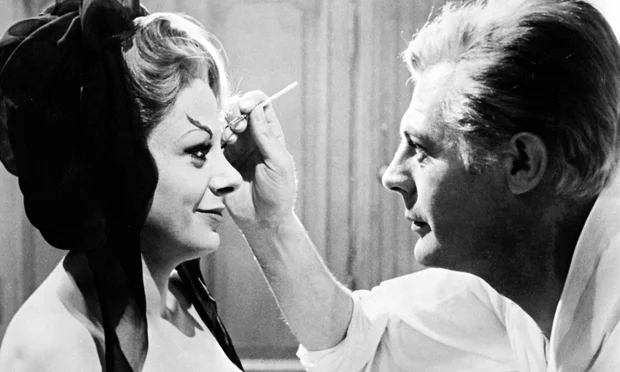
quartetoolinda.com – Federico Fellini’s “8½” (1963) is a highly acclaimed film that delves into the complexities of creativity, personal crisis, and the interplay between reality and fantasy. Recognized as one of the greatest films in cinema history, “8½” has left an indelible mark on both filmmakers and audiences alike. Through its innovative narrative structure and rich visual style, Fellini crafts a compelling exploration of the artistic process and the struggles inherent in the pursuit of creative expression.
Plot Summary
“8½” follows the story of Guido Anselmi, a successful film director portrayed by Marcello Mastroianni, who finds himself in the throes of a creative block while attempting to manage the pressures of his personal and professional life. The film seamlessly blends Guido’s real-life experiences with his memories, dreams, and fantasies, creating a complex tapestry that reflects his inner turmoil and search for inspiration.
Themes and Analysis
At its core, “8½” is a meditation on the nature of creativity and the challenges faced by artists. Fellini uses Guido’s struggles to explore broader themes of identity, self-doubt, and the pursuit of authenticity. The film’s title, “8½,” refers to Fellini’s body of work at the time—comprising eight completed films and one unfinished project—suggesting a personal reflection on his own artistic journey.
Fellini’s mastery in blending reality with fantasy is showcased through the film’s dreamlike sequences, which blur the boundaries between Guido’s internal and external worlds. These sequences not only highlight the fluidity of memory and imagination but also emphasize the chaotic and often contradictory nature of the creative process.
Visual Style and Cinematic Techniques
“8½” is renowned for its striking visual style, characterized by bold compositions, dynamic camera movements, and surreal imagery. Cinematographer Gianni Di Venanzo’s use of black and white cinematography enhances the film’s dreamlike quality, while Nino Rota’s evocative score underscores the emotional depth of the narrative.
Fellini’s innovative use of non-linear storytelling and fragmented narrative structure reflects the complexity of Guido’s thoughts and emotions, inviting viewers to engage with the film on multiple levels. This approach has influenced countless filmmakers and solidified “8½” as a pioneering work in the realm of narrative cinema.
Legacy and Impact
Since its release, “8½” has been celebrated as a landmark achievement in film history, earning numerous accolades, including the Academy Award for Best Foreign Language Film. Its exploration of the artistic experience and its bold cinematic techniques have inspired generations of filmmakers, cementing Fellini’s status as a visionary auteur.
The film’s enduring legacy is evident in its influence on contemporary cinema, with directors such as Woody Allen, Terry Gilliam, and Bob Fosse citing “8½” as a major inspiration for their own work. It remains a testament to the power of film as a medium for personal expression and artistic exploration.
Conclusion
Federico Fellini’s “8½” is a cinematic tour de force that continues to captivate audiences with its profound insights into the human condition and the creative process. Through its innovative storytelling and visual artistry, the film offers a timeless reflection on the challenges and triumphs of artistic endeavor, making it an essential viewing experience for cinephiles and artists alike.
