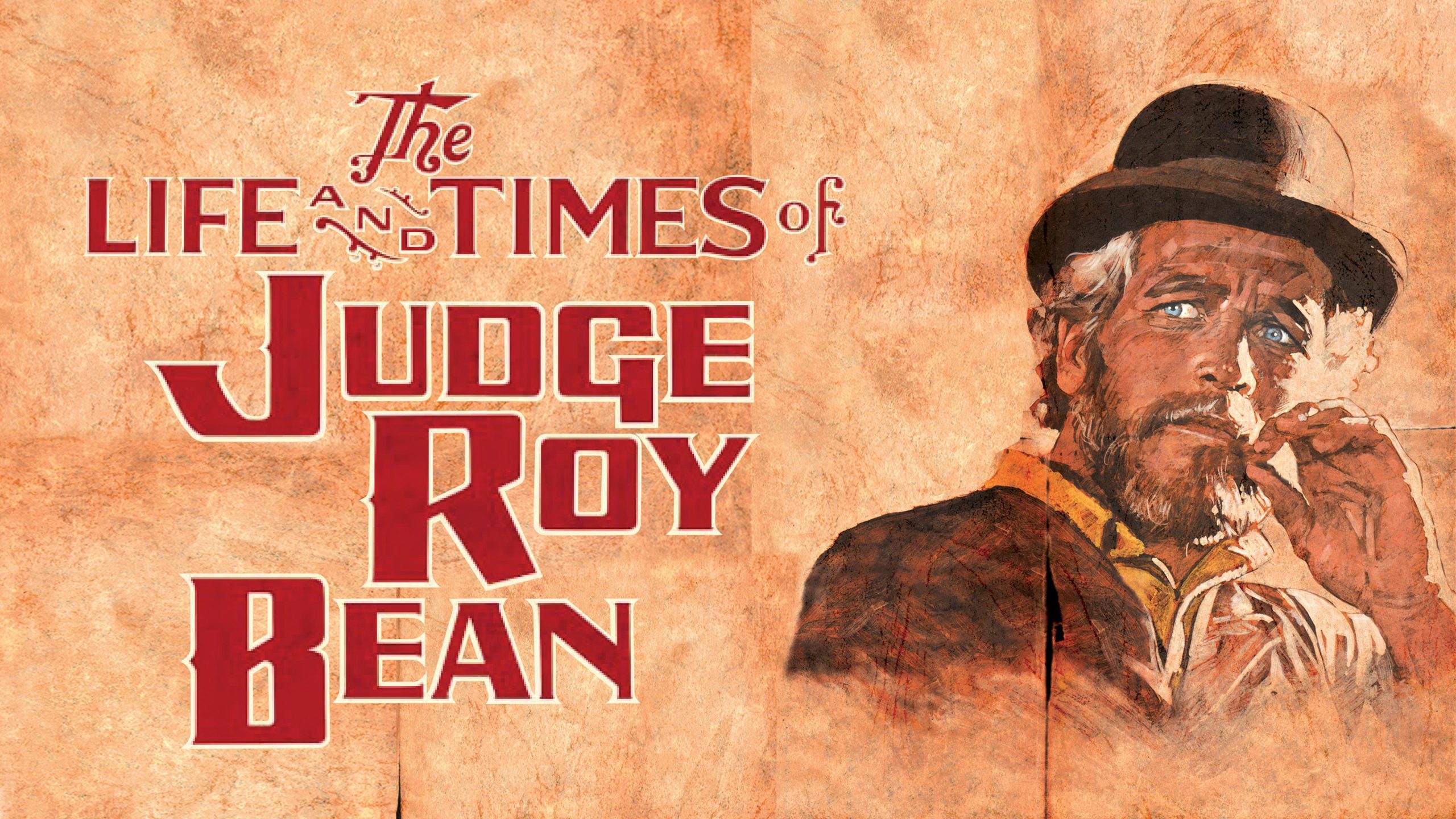
The Life and Times of Judge Roy Bean (1972)

quartetoolinda.com – “The Life and Times of Judge Roy Bean” is a 1972 American western comedy-drama film directed by John Huston. This film offers a whimsical yet thought-provoking take on the life of the infamous Judge Roy Bean, a self-appointed arbiter of law in the late 19th century Texas frontier. With a captivating performance by Paul Newman in the titular role, the film blends humor, drama, and a touch of myth-making to explore themes of justice and morality in the Wild West.

Plot Overview

Set in the small, lawless town of Vinegaroon, Texas, the film chronicles the rise of Roy Bean from a drifter to a legendary figure who appoints himself the “only law west of the Pecos.” After surviving an attempted murder by local thugs, Bean establishes a courthouse-saloon and begins dispensing justice with a heavy hand, often guided more by personal whim than by actual law.

The film follows Bean’s adventures as he confronts outlaws, befriends colorful characters, and navigates his infatuation with the famous actress Lily Langtry, whom he idolizes despite never meeting her. His unconventional methods and eccentricities become legendary, as he presides over his makeshift court with a mix of humor and severity.

Character Dynamics

Paul Newman delivers a charismatic performance as Judge Roy Bean, capturing the character’s complexity and contradictions. He is joined by a talented ensemble cast, including Victoria Principal as Maria Elena, a young Mexican woman who becomes an ally and love interest, and Anthony Perkins as Reverend LaSalle, who provides spiritual counsel amidst the chaos.

The film’s narrative is punctuated by cameo appearances from notable actors, including Ava Gardner as Lily Langtry and Stacy Keach as the outlaw Bad Bob. These characters add depth and variety to the story, highlighting the diverse and often eccentric personalities that populate Bean’s world.

Production and Style

Directed by the legendary John Huston, “The Life and Times of Judge Roy Bean” combines elements of traditional westerns with comedic and fantastical storytelling. The film’s visual style captures the rugged beauty of the Texas landscape, while its script, penned by John Milius, infuses the narrative with wit and humor.

The film’s tone is deliberately anachronistic, blending historical facts with fictional embellishments to create a larger-than-life portrayal of Bean’s exploits. This approach allows the film to explore themes of justice, power, and myth-making in a uniquely entertaining fashion.

Cultural Impact

Upon its release, “The Life and Times of Judge Roy Bean” was well-received for its inventive storytelling and Newman’s standout performance. The film’s mix of comedy and drama, along with its examination of the blurred lines between legend and reality, has contributed to its enduring appeal.

As a western that defies genre conventions, the film offers a fresh perspective on the American frontier, challenging traditional narratives and inviting audiences to reconsider the myths that shape historical figures like Judge Roy Bean.

Conclusion

“The Life and Times of Judge Roy Bean” remains a distinct entry in the western genre, celebrated for its blend of humor, drama, and historical fiction. Through its imaginative retelling of Bean’s life, the film invites viewers to explore the complexities of justice and the power of legend in shaping our understanding of history.
The Stories Behind the Masters: Artistic Legends

quartetoolinda.com – The world of art is a tapestry woven from the threads of countless stories, each one as unique and vibrant as the masterpieces they inspired. Behind every stroke of genius lies a tale of passion, perseverance, and the relentless pursuit of beauty. These stories, often as captivating as the artworks themselves, reveal the human spirit’s boundless capacity for creativity and expression. In this article, we delve into the lives of some of the most revered artistic legends, exploring the narratives that shaped their legacies and continue to inspire generations.

Leonardo da Vinci: The Renaissance Genius

Leonardo da Vinci, the quintessential Renaissance man, was not just an artist but a polymath whose curiosity spanned anatomy, astronomy, and engineering. His life story is one of insatiable curiosity and innovation. Born out of wedlock in a small Tuscan town, Leonardo’s genius was recognized early, leading him to apprentice under the renowned artist Andrea del Verrocchio. His masterpiece, the “Mona Lisa,” with its enigmatic smile, has become an icon of Western art, embodying the Renaissance ideal of harmonious beauty and humanism. Leonardo’s work, characterized by its meticulous detail and innovative techniques, continues to captivate and inspire, making him one of the most celebrated figures in the history of art.

Vincent van Gogh: The Tormented Visionary

Vincent van Gogh’s life is a poignant tale of struggle, madness, and unparalleled creativity. Born in the Netherlands in 1853, van Gogh pursued various vocations before finding his calling in art at the age of 27. Despite his fervent dedication, van Gogh’s work was largely unappreciated during his lifetime, and he lived in poverty, battling mental illness. His paintings, characterized by bold colors and swirling brushstrokes, such as “Starry Night” and “Sunflowers,” now fetch record prices at auction and are celebrated worldwide. Van Gogh’s story is a testament to the enduring power of art and the complex relationship between an artist’s life and work.

Frida Kahlo: The Rebel with a Cause

Frida Kahlo’s life and art are inextricably linked, a vivid narrative of pain, resilience, and political activism. Born in Mexico in 1907, Frida’s journey as an artist began after a debilitating bus accident left her bedridden for months. It was during this period of convalescence that she turned to painting, using her canvases to explore themes of identity, gender, and Mexican heritage. Her distinctive style, characterized by surreal elements and vibrant colors, has made her one of the most recognizable artists of the 20th century. Frida’s story is one of defiance and self-expression, challenging conventional norms and championing social causes.

Pablo Picasso: The Shape-Shifter of Art

Pablo Picasso’s life is a saga of prolific creativity and constant reinvention. Born in Spain in 1881, Picasso’s genius was evident from a young age. His career spanned several pivotal movements in modern art, including Cubism, which he co-founded with Georges Braque. Picasso’s work is characterized by its diversity and innovation, from the tender “The Old Guitarist” to the harrowing “Guernica,” which depicts the bombing of a Basque town during the Spanish Civil War. Picasso’s life and art reflect the tumultuous 20th century, making him a towering figure in the history of art.

Conclusion

The stories of Leonardo da Vinci, Vincent van Gogh, Frida Kahlo, and Pablo Picasso are more than biographies; they are narratives that illuminate the human experience. Their lives and works remind us of the power of art to transcend time, culture, and personal adversity. These artistic legends continue to inspire, challenging us to see the world through their eyes and to recognize the beauty and complexity of our shared humanity. As we marvel at their masterpieces, we are reminded that behind every stroke lies a story, a piece of the artist’s soul, forever etched in the annals of art history.