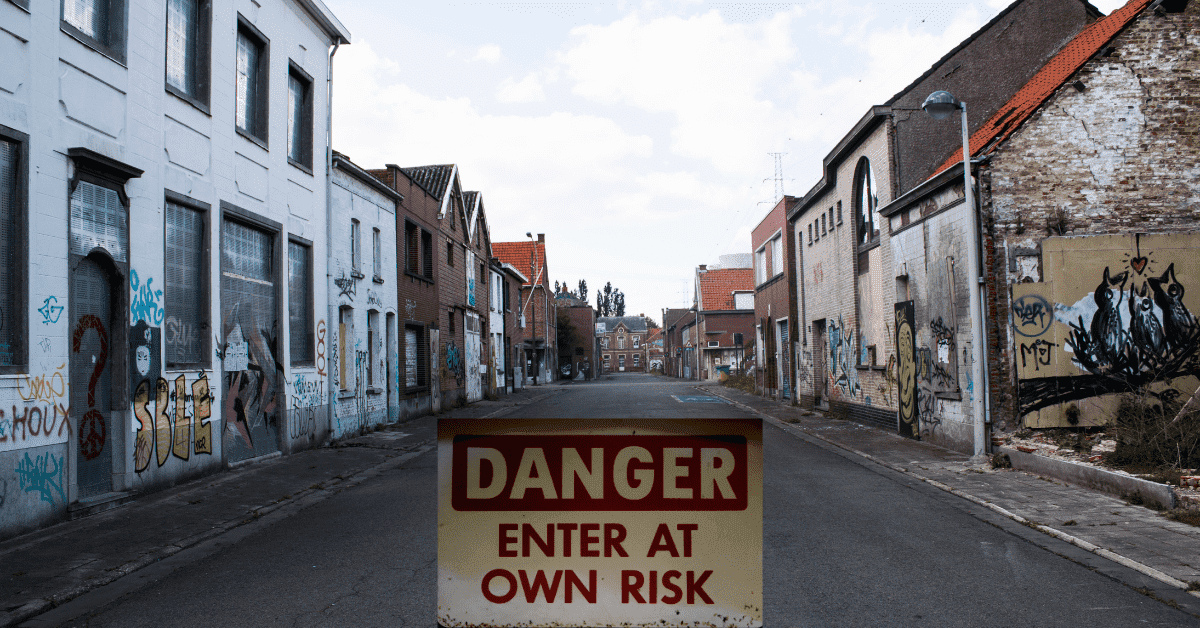
Risky Regions: A Closer Look at Dangerous Areas

quartetoolinda.com – The world is a diverse place, with regions that offer a mix of stunning beauty and significant risks. Some areas are considered dangerous due to factors like political instability, high crime rates, or frequent natural disasters. This article takes a closer look at these risky regions, examining what makes them hazardous and how locals and visitors can navigate these challenges.

Political Instability

  1. Yemen: The ongoing conflict in Yemen has resulted in a severe humanitarian crisis, with widespread violence and a lack of basic resources. Political instability and armed conflict make it one of the most dangerous places globally.
  2. Libya: Since the fall of its government, Libya has faced ongoing internal conflict and lawlessness. Armed groups and political factions vie for control, creating a volatile environment.

High Crime Rates

  1. El Salvador: Known for its high homicide rates, El Salvador struggles with gang violence and organized crime. Efforts to curb violence continue, but the situation remains challenging for residents.
  2. South Africa: While offering stunning landscapes and rich culture, parts of South Africa experience high crime rates, including violent crimes and theft. Travelers need to exercise caution and remain vigilant.

Natural Disaster Prone Areas

  1. Indonesia: Located in the Pacific Ring of Fire, Indonesia is highly susceptible to earthquakes, volcanic eruptions, and tsunamis. While it is a popular tourist destination, these natural hazards pose significant risks.
  2. Bangladesh: Frequent flooding and cyclones threaten Bangladesh, especially in low-lying areas. The country’s vulnerability to climate change exacerbates the potential for natural disasters.

Regions with Health Risks

  1. Democratic Republic of the Congo (DRC): The DRC faces numerous health challenges, including outbreaks of diseases like Ebola. Limited healthcare infrastructure adds to the difficulties in managing these risks.
  2. Nigeria: While Nigeria has a vibrant economy and culture, it also faces health threats from diseases such as malaria and cholera, especially in rural areas with limited healthcare access.

Conclusion

Understanding the risks associated with these regions is crucial for anyone considering travel or work in these areas. While the challenges are significant, many organizations and local communities are working to improve conditions and enhance safety. For those who choose to visit or engage with these risky regions, thorough preparation, awareness of local conditions, and adherence to safety guidelines are essential for navigating these complex environments responsibly.
Portraits of Dangerous Men: The Malevolent Few

quartetoolinda.com – In the annals of history and the fabric of modern society, there exists a subset of individuals whose actions and ideologies have left indelible marks, not as pioneers of progress, but as harbingers of harm. These men, the malevolent few, have wielded their influence and power to sow discord, instigate violence, and manipulate the masses for their own nefarious ends. This article delves into the psychological, sociological, and historical dimensions of these dangerous men, examining their motivations, methods, and the lasting impact they have had on the world.

The Psychology of Malevolence

At the core of the malevolent few is a complex interplay of psychological factors. Narcissism, psychopathy, and Machiavellianism often form the triad of personality traits that characterize these individuals. Narcissism provides the grandiosity and belief in their superiority, psychopathy offers the lack of empathy and moral constraints, and Machiavellianism supplies the cunning and manipulative tactics. These traits, when combined, create a personality that is not only dangerous but also adept at gaining and maintaining power.

The Sociological Impact

The actions of the malevolent few have profound sociological implications. They can alter the course of history, shape the collective mindset of societies, and even redefine moral and ethical boundaries. Through charisma, propaganda, and the strategic use of fear and violence, these individuals can manipulate the social fabric to their advantage. The most dangerous among them are those who can tap into existing social tensions and grievances, using them as kindling to fuel their own agendas.

Historical Portraits

History is replete with examples of the malevolent few. From the tyrannical rulers of antiquity to the genocidal dictators of the 20th century, these men have left a trail of destruction in their wake. Figures such as Adolf Hitler, Joseph Stalin, and Pol Pot are infamous for their roles in some of the most horrific atrocities committed against humanity. Their legacies serve as stark reminders of the capacity for evil that exists within the human psyche.

Modern Manifestations

In the contemporary world, the malevolent few continue to emerge, albeit in different forms. The rise of extremist ideologies, the proliferation of disinformation, and the anonymity afforded by the internet have created new platforms for dangerous men to spread their influence. Terrorist leaders, cybercriminals, and populist demagogues are the modern incarnations of this archetype, each exploiting the vulnerabilities of the globalized world to achieve their objectives.

The Path Forward

Understanding the malevolent few is not an exercise in morbid fascination but a necessary step towards safeguarding society. By examining their methods and motivations, we can develop strategies to counter their influence and mitigate the harm they cause. Education, critical thinking, and the promotion of empathy and ethical leadership are essential tools in this endeavor.

In conclusion, the malevolent few represent a dark aspect of human nature that has manifested throughout history and continues to do so in the present. Their stories are a cautionary tale, a reminder of the dangers of unchecked power and the importance of vigilance in the face of manipulation and deceit. By shining a light on these portraits of dangerous men, we can better prepare ourselves to confront the challenges they pose and work towards a future where their influence is diminished.