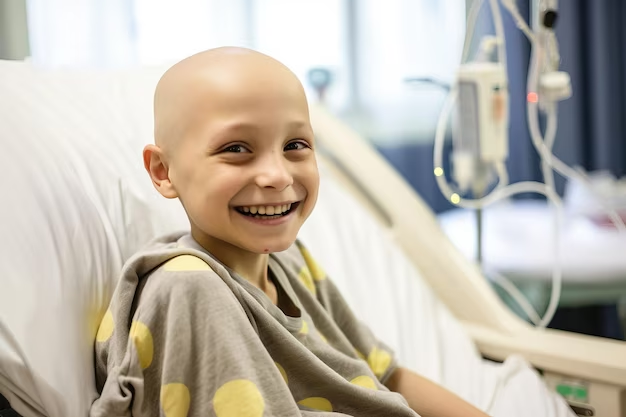
Unique Challenges and Treatments: Childhood Cancer

quartetoolinda.com – Childhood cancer represents a unique and heart-wrenching challenge within the realm of oncology. Unlike adult cancers, pediatric cancers are rare, accounting for less than 1% of all cancers diagnosed in the United States each year. However, the impact of these diagnoses is profound, not only on the children themselves but also on their families and communities. The unique challenges and treatments associated with childhood cancer underscore the importance of specialized care and ongoing research in this field.

Unique Challenges of Childhood Cancer

  1. Diagnosis and Detection: The symptoms of childhood cancer can often be vague and similar to those of less serious conditions, leading to delays in diagnosis. Common symptoms include unexplained weight loss, persistent fever, and lumps or swellings. Early detection is crucial, yet often challenging due to these nonspecific symptoms.
  2. Psychological and Emotional Impact: A cancer diagnosis in a child can have profound psychological and emotional effects on the child and their family. Children may struggle with fear, anxiety, and depression, while parents and siblings may experience feelings of helplessness, guilt, and stress.
  3. Developmental Considerations: Children are still growing and developing, which means that cancer treatments must be carefully tailored to minimize long-term effects on their physical and cognitive development. This includes potential impacts on growth, fertility, and organ function.
  4. Social and Educational Disruption: Treatment for cancer can disrupt a child’s education and social life, leading to feelings of isolation and falling behind academically. Maintaining a sense of normalcy and continuity in these areas is crucial for the child’s overall well-being.

Treatments for Childhood Cancer

  1. Chemotherapy: This remains a cornerstone of treatment for many childhood cancers. Advances in chemotherapy have significantly improved survival rates for children with cancer. However, the side effects can be severe, and managing these effects is a critical part of pediatric oncology care.
  2. Radiation Therapy: While effective in treating certain types of cancer, radiation therapy carries significant risks for children due to their developing bodies. Precision techniques, such as proton therapy, are increasingly used to minimize damage to surrounding healthy tissues.
  3. Surgery: Surgical removal of tumors is often a part of the treatment plan. Pediatric surgeons specialize in minimizing the impact of surgery on the child’s growth and development.
  4. Immunotherapy: This innovative approach harnesses the body’s immune system to fight cancer. Immunotherapy is particularly promising in pediatric oncology because it can offer a more targeted approach with fewer side effects than traditional treatments.
  5. Targeted Therapy and Precision Medicine: Advances in genetics and molecular biology have led to the development of targeted therapies that specifically attack cancer cells while sparing normal cells. This approach is tailored to the individual’s cancer, based on genetic and molecular profiling.

The Role of Support and Advocacy

Beyond medical treatments, support for children with cancer and their families is crucial. This includes psychological support, educational assistance, and financial aid. Organizations and advocacy groups play a vital role in providing these resources and raising awareness about the unique challenges of childhood cancer.

Conclusion

Childhood cancer presents a complex array of challenges that require specialized care, innovative treatments, and ongoing research. While the prognosis for many childhood cancers has improved significantly over the past few decades, there is still much work to be done. Advocacy, support, and continued investment in pediatric oncology research are essential to improving outcomes for children with cancer and ensuring that they can lead healthy, fulfilling lives.

Overcoming Challenges in High School: Teen Triumphs

High school is a pivotal period in a teenager’s life, marked by significant growth, exploration, and the inevitable encounter with challenges. For many, these years are filled with academic pressures, social dynamics, and the quest for identity. Yet, amidst these trials, teenagers often display remarkable resilience, turning obstacles into opportunities for growth and learning. This article delves into the world of teen triumphs, exploring how high school students overcome challenges and emerge stronger, wiser, and more prepared for the future.

The Nature of High School Challenges

High school challenges are multifaceted, ranging from academic stress to social pressures. Students may grapple with difficult subjects, the pressure to excel in standardized tests, and the fear of not meeting parental or societal expectations. Socially, the high school environment can be daunting, with students navigating friendships, cliques, and the complexities of teenage relationships. Additionally, the search for identity during adolescence can lead to internal conflicts and existential questions.

Strategies for Overcoming Challenges

1. Seeking Support

One of the most effective strategies for overcoming challenges is seeking support. This can come from various sources, including parents, teachers, counselors, and peers. Open communication with adults who can provide guidance and perspective is invaluable. Peer support groups can also offer solace and practical advice from those experiencing similar challenges.

2. Developing Resilience

Resilience is the ability to bounce back from setbacks. High school students can develop resilience by adopting a growth mindset, viewing challenges as opportunities for learning rather than insurmountable obstacles. Engaging in activities that build confidence, such as sports, arts, or community service, can also foster resilience.

3. Setting Realistic Goals

Setting realistic and achievable goals helps students navigate high school challenges with a sense of purpose and direction. Breaking down larger goals into smaller, manageable tasks can make them seem less daunting and more attainable. This approach fosters a sense of accomplishment and motivates students to keep pushing forward.

4. Embracing Failure

Failure is an inevitable part of growth. Encouraging students to embrace their failures as learning experiences rather than setbacks can transform their outlook on challenges. By analyzing what went wrong and how to improve, students can turn failures into stepping stones for future success.

5. Maintaining Balance

Balancing academic, social, and personal life is crucial for maintaining mental and emotional well-being. Encouraging students to engage in activities they enjoy, practice self-care, and take breaks when needed can help prevent burnout and maintain a healthy perspective on high school challenges.

The Impact of Overcoming Challenges

Overcoming high school challenges equips teenagers with valuable life skills, including problem-solving, adaptability, and emotional intelligence. These experiences shape their character, preparing them for the complexities of adulthood. Moreover, triumphing over adversity can instill a sense of confidence and self-efficacy, empowering students to pursue their goals with determination and resilience.

Conclusion

High school challenges, though daunting, are not insurmountable. With the right strategies and support, teenagers can transform these obstacles into opportunities for growth and learning. The journey of overcoming challenges in high school is a testament to the resilience and potential of youth, laying the foundation for a future filled with promise and possibility. As students navigate these trials, they not only prepare for the next stages of their lives but also discover their strengths, passions, and the incredible capacity to overcome whatever comes their way.