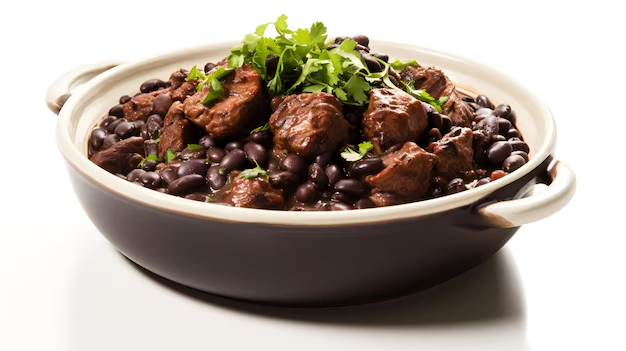
Feijoada: A Hearty Stew of Black Beans with Pork or Beef

quartetoolinda.com – Feijoada is a traditional Brazilian dish renowned for its rich flavors and hearty ingredients. This iconic stew, composed primarily of black beans and a variety of meats, is a staple in Brazilian cuisine and is enjoyed by people all over the world. Let’s delve into the history, ingredients, and cultural significance of this beloved dish.

A Brief History of Feijoada

The origins of feijoada can be traced back to Brazil’s colonial era. It is believed to have been influenced by Portuguese settlers who brought their culinary traditions to the New World. The dish evolved over time as African slaves and indigenous people contributed their own flavors and cooking techniques. Today, feijoada is considered a symbol of Brazilian cultural identity, celebrated for its fusion of diverse culinary influences.

Ingredients and Preparation

Feijoada is traditionally made with black beans, which serve as the base of the stew. The beans are slow-cooked to a creamy consistency, absorbing the flavors of the meats and spices. The meat component typically includes a variety of cuts, such as pork shoulder, sausage, and beef. Some recipes also incorporate smoked meats, like bacon or ham hocks, to add depth and smokiness to the dish.

In addition to beans and meat, feijoada often features a blend of aromatics and spices. Onions, garlic, and bay leaves are commonly used to enhance flavor, while ingredients like orange peel or chili peppers may be added for a touch of zest or heat. The stew is usually cooked slowly over low heat, allowing the flavors to meld together and create a rich, savory dish.

Cultural Significance

Feijoada is more than just a meal; it is a cultural ritual in Brazil. Traditionally served on Wednesdays and Saturdays, it is a dish that brings families and communities together. It is often accompanied by rice, collard greens, and orange slices, which help balance the richness of the stew. Many Brazilians consider feijoada a comfort food, associated with gatherings and celebrations.

In recent years, feijoada has gained international recognition, appearing on menus in Brazilian restaurants around the world. Its hearty, satisfying nature and unique combination of flavors make it a favorite among food enthusiasts seeking to experience authentic Brazilian cuisine.

Conclusion

Feijoada is a testament to Brazil’s rich culinary heritage, showcasing the country’s ability to blend diverse influences into a harmonious and flavorful dish. Whether enjoyed in a bustling Brazilian city or at a local eatery abroad, feijoada continues to captivate the taste buds and warm the hearts of those who savor it.

The Voice of Black Nationalism: Malcolm X

quartetoolinda.com – Malcolm X, born Malcolm Little in Omaha, Nebraska, in 1925, was a pivotal figure in the Civil Rights Movement and a prominent advocate of Black Nationalism. His early life was marked by hardship and racial violence. His father, a Baptist preacher and follower of Marcus Garvey, was allegedly murdered by a white supremacist group, and his mother suffered a nervous breakdown, leading to Malcolm being placed in foster care at a young age.

Malcolm’s life took a significant turn when he was imprisoned for burglary at the age of 21. It was during his time in prison that he encountered the teachings of Elijah Muhammad, the leader of the Nation of Islam. This encounter led to his conversion to Islam and his adoption of the surname “X” to symbolize his rejection of his “slave name”.

Rise to Prominence

Upon his release from prison in 1952, Malcolm X quickly rose through the ranks of the Nation of Islam. His powerful oratory skills and charismatic presence helped him become the minister of Mosque No. 7 in Harlem. Under his leadership, the Nation of Islam grew from 400 members in 1952 to 40,000 members by 19608. Malcolm X’s advocacy for self-defense and his stance of achieving “by any means necessary” put him at odds with the nonviolent approach of Martin Luther King Jr.

Black Nationalism and Self-Reliance

Malcolm X’s philosophy of Black Nationalism emphasized the need for African Americans to take control of their own lives and destinies. He believed that African Americans should not rely on the larger American society for their well-being but should instead create their own institutions, businesses, and communities to achieve self-reliance and thrive as a people. This approach was a stark contrast to the mainstream civil rights movement’s focus on integration and assimilation into American society.

The Organization of Afro-American Unity

In 1964, Malcolm X left the Nation of Islam after a falling out with Elijah Muhammad. He then embarked on a pilgrimage to Mecca, where he experienced a spiritual transformation. This journey led him to adopt a more inclusive approach, advocating for human rights rather than just Black Nationalism. He founded the Organization of Afro-American Unity (OAAU) to promote Pan-Africanism and international solidarity among people of African descent.

Assassination and Legacy

On February 21, 1965, Malcolm X was assassinated while giving a speech at the Audubon Ballroom in New York City. His death shocked the nation and sparked widespread outrage and grief. Despite his untimely death, Malcolm X’s impact on the Civil Rights Movement and the African American community is immeasurable. His message of self-reliance and human dignity has continued to inspire generations.

Conclusion

Malcolm X’s life and legacy are a testament to the power of self-determination and the fight for equality. His advocacy for Black Nationalism and self-reliance challenged the status quo and provided a voice for those who felt marginalized and oppressed. His transformation from a proponent of racial separatism to a champion of human rights underscores the complexity and depth of his character. Malcolm X remains a symbol of resistance and resilience, inspiring continued efforts for justice and equality.